


WEBINAR | Up to 40% Faster Automated TEM Lamella Preparation with new Ga⁺ FIB Column

Optimize Mineral Recovery and Improve Processing Efficiency with TIMA Textural Analysis

Quantify grain size and determine other properties of ore with Tescan TIMA for mineral processing.

hero
hero
Unlocked content

Gain meaningful mineralogical and ore textural information at a mining scale

Mining project evaluations require a metallurgical approach to assess recoverability of the value materials and design efficient processing methods.

Using Tescan TIMA for metallurgical ore textural analysis provides information about not just the mineral composition of the ore. It also gives insight to ore grain size distribution, chemistry, and other key mineral indices, to inform decisions throughout the exploration and production stages. 

Why Perform Textural Analysis of Ore

with Tescan TIMA™?

01
Root of the Problem

Why Drill Core Logging and Petrographic Studies aren’t Sufficient for Mineral Exploration

Drill core logging and petrographic studies, while detailed, provide only snapshots of ore mineralogy and mineral associations, and are unable to capture information at a mining production scale. Typical approaches to assess recoverability of the value minerals are complex, which may become a barrier to timely and accurate mineral associations.

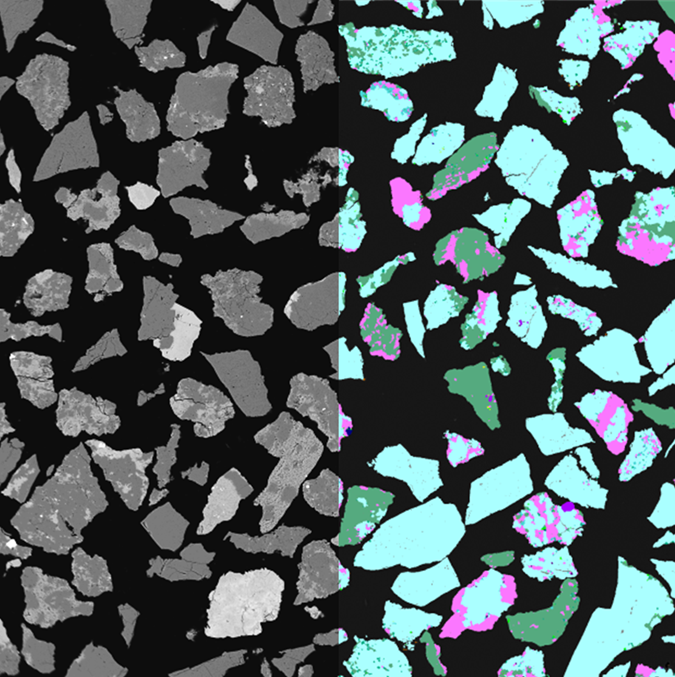
Tescan TIMA uses automated mineralogy for quantitative particle-by-particle analysis to deliver statistically robust phase, texture and liberation data. Spectral summing allows accurate identification of trace and low-abundance minerals. Intuitive operation facilitates rapid acquisition of critical data for ore mineral abundance, grain size distribution, liberation and middling associations as the metallurgical flowsheet is being developed.

02
Materials and Methods

How Metallurgical Ore Textural Analysis was Performed

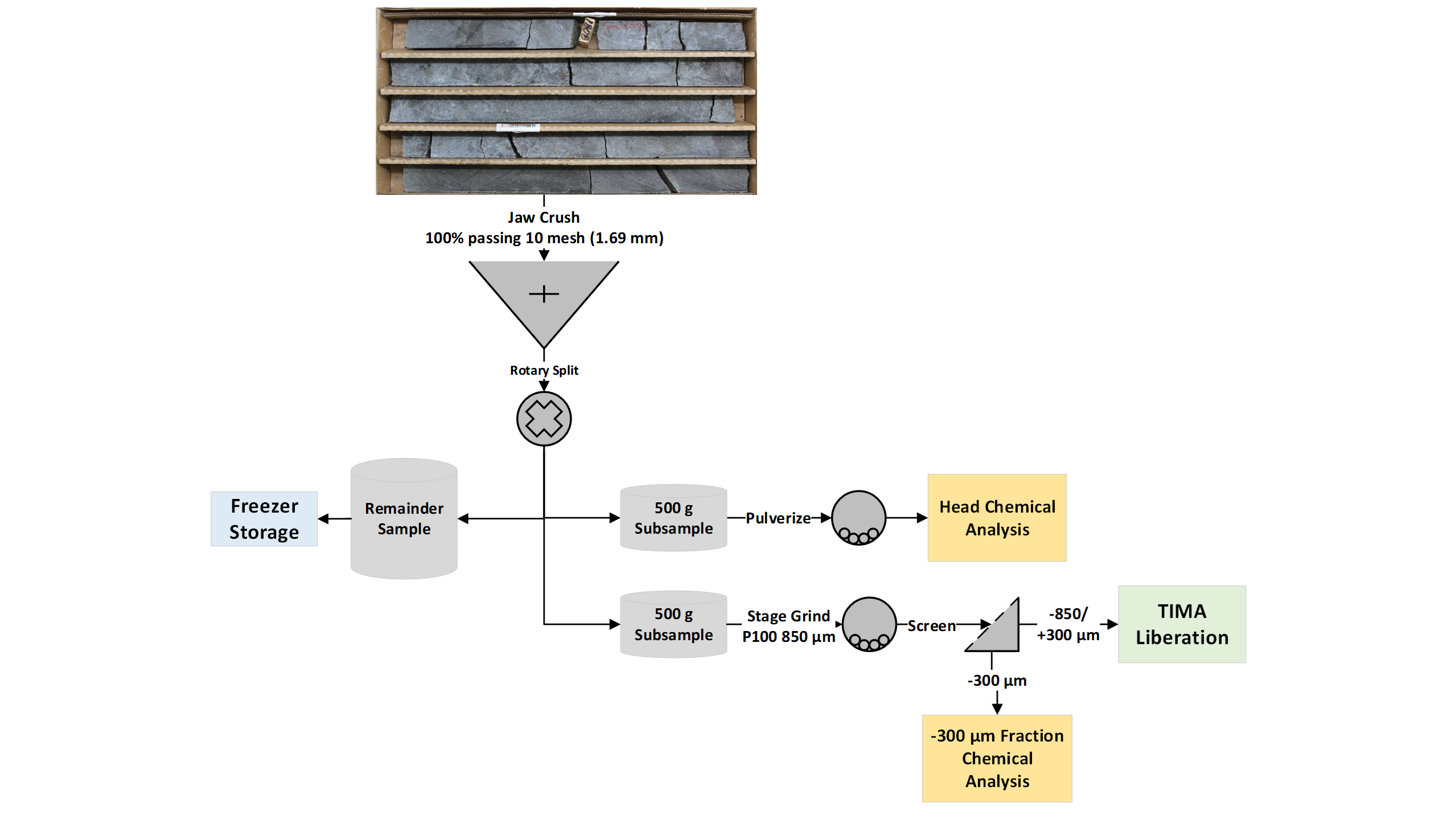
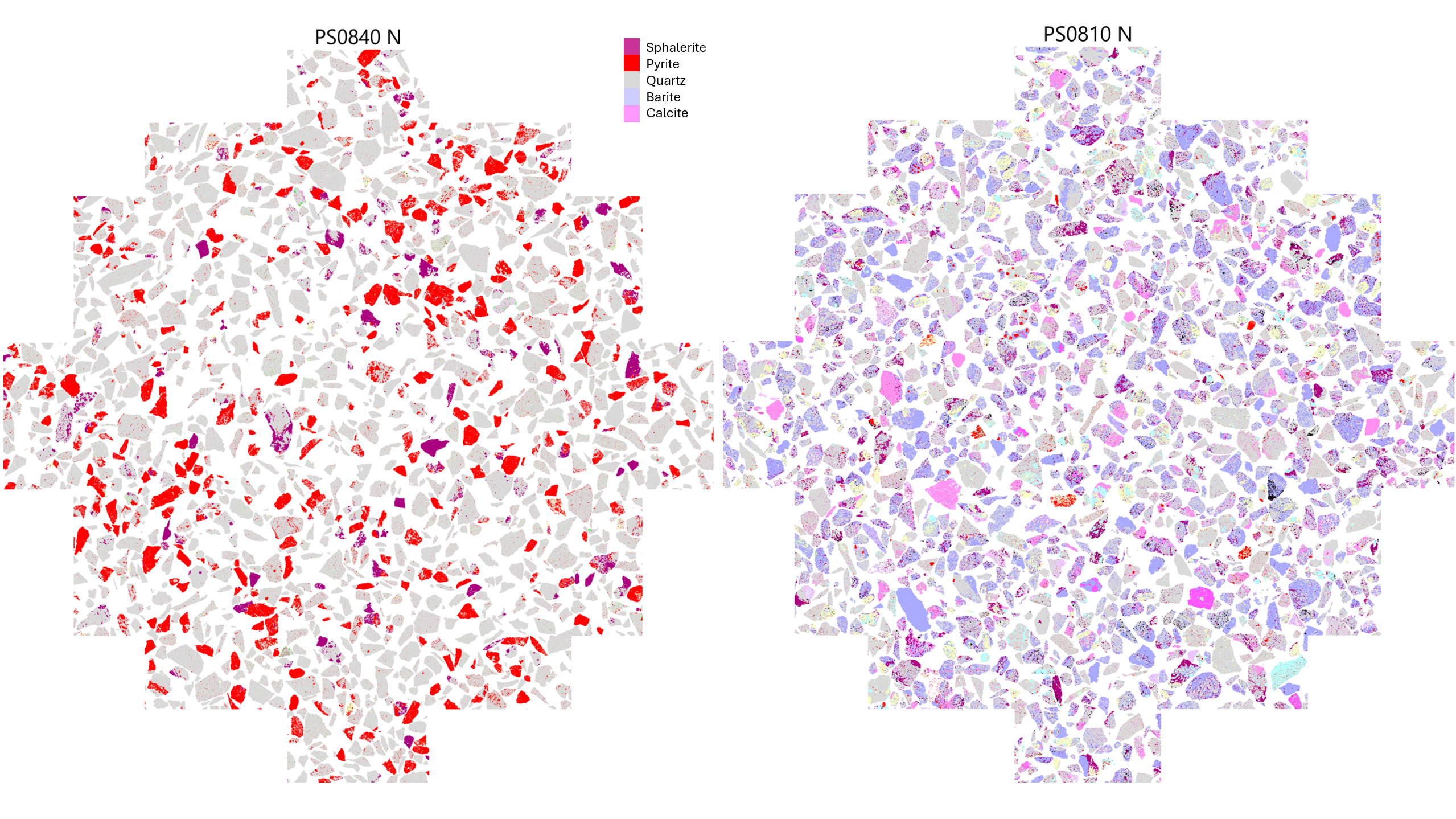
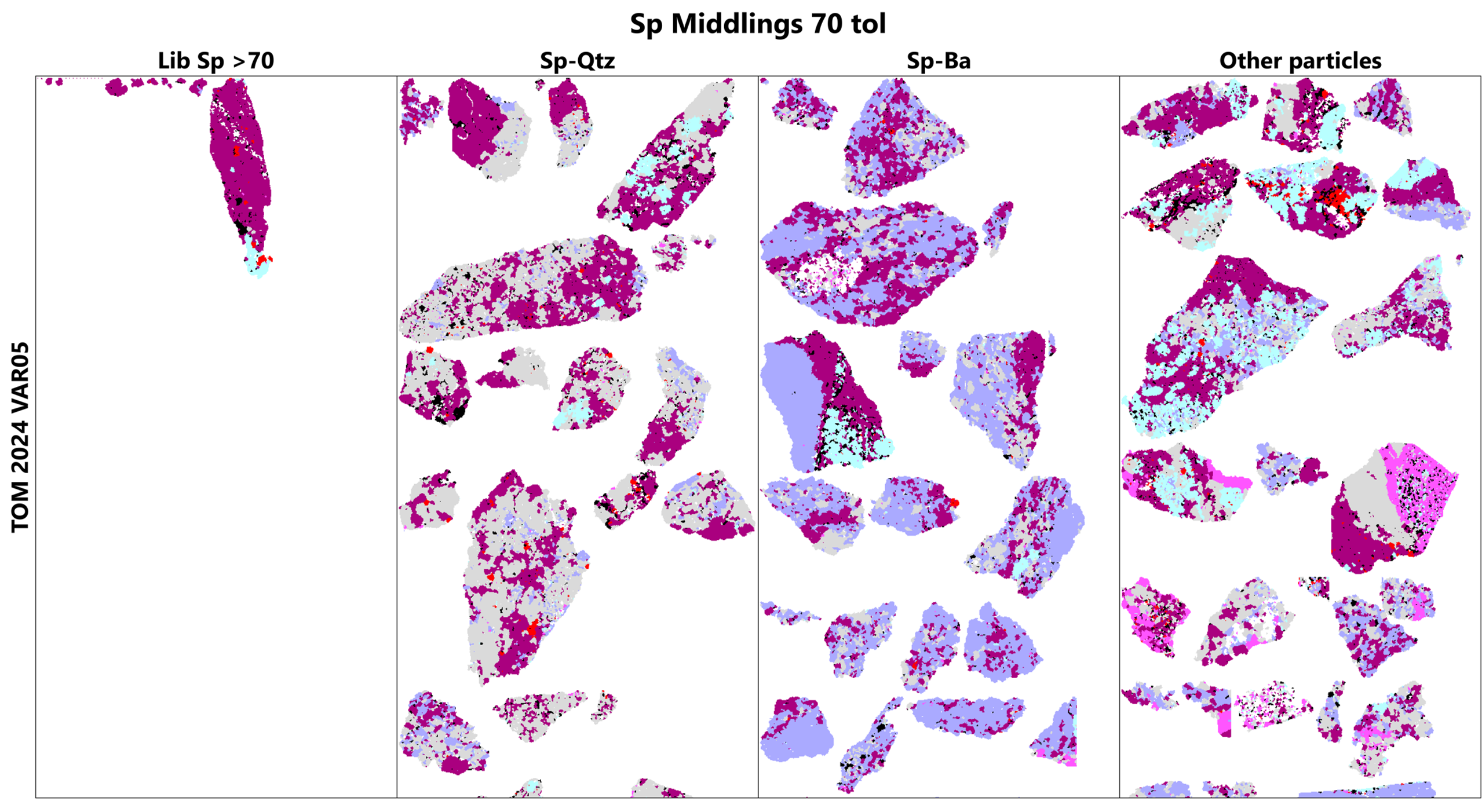
Tescan TIMA enters the ore mineral textural testing flowsheet after stage grind and screening. Crush size fractions suitable for TIMA analysis (-850/+300 µm) are subject to particle mapping first. TIMA particle maps show differences in sample bulk mineralogy and grain size distribution.

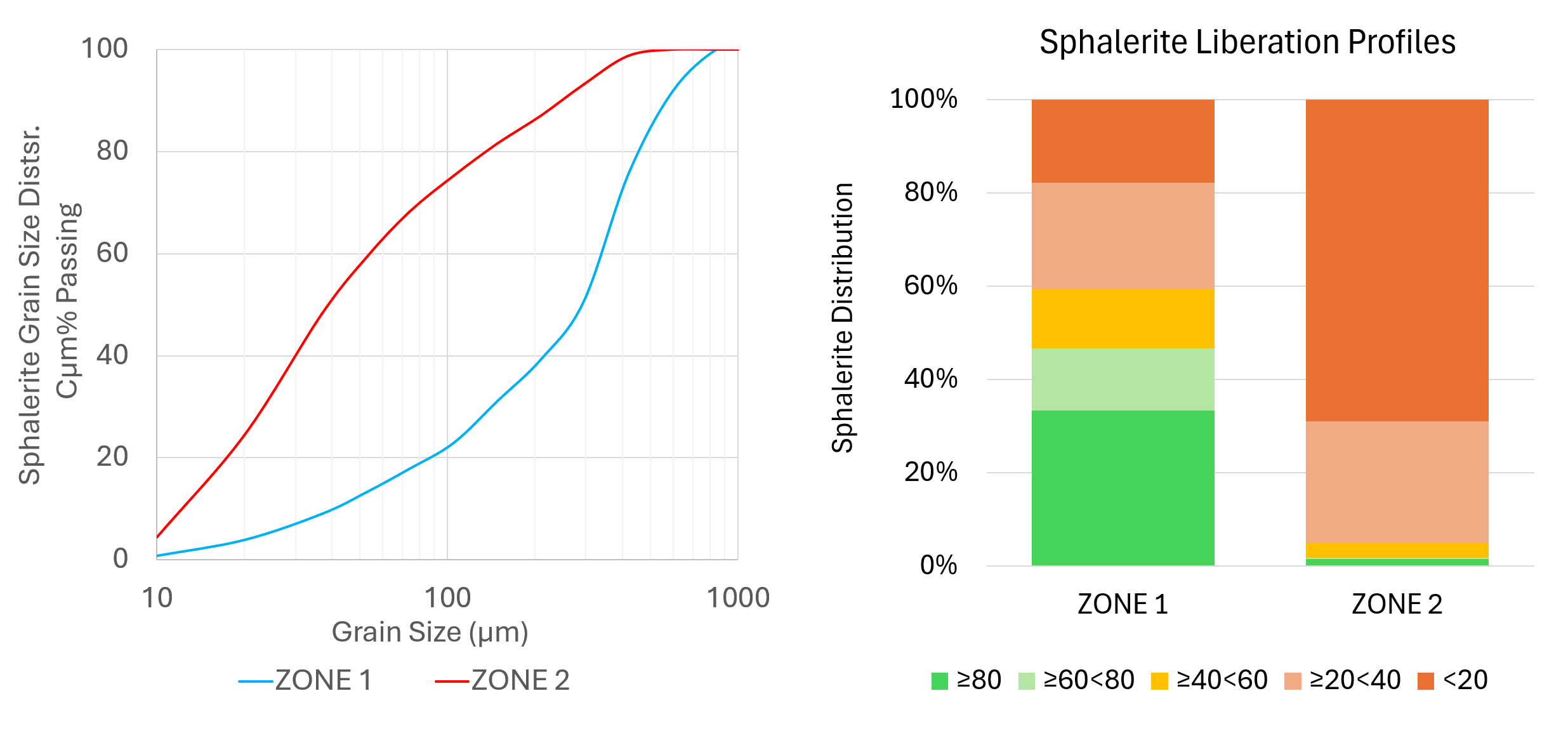
Particle mapping datasets can be further processed to deliver key textural measurements. Overall grain size distribution drives decisions over required grind size, and assessment of middling particle types impacts development of the metallurgical flowsheet.

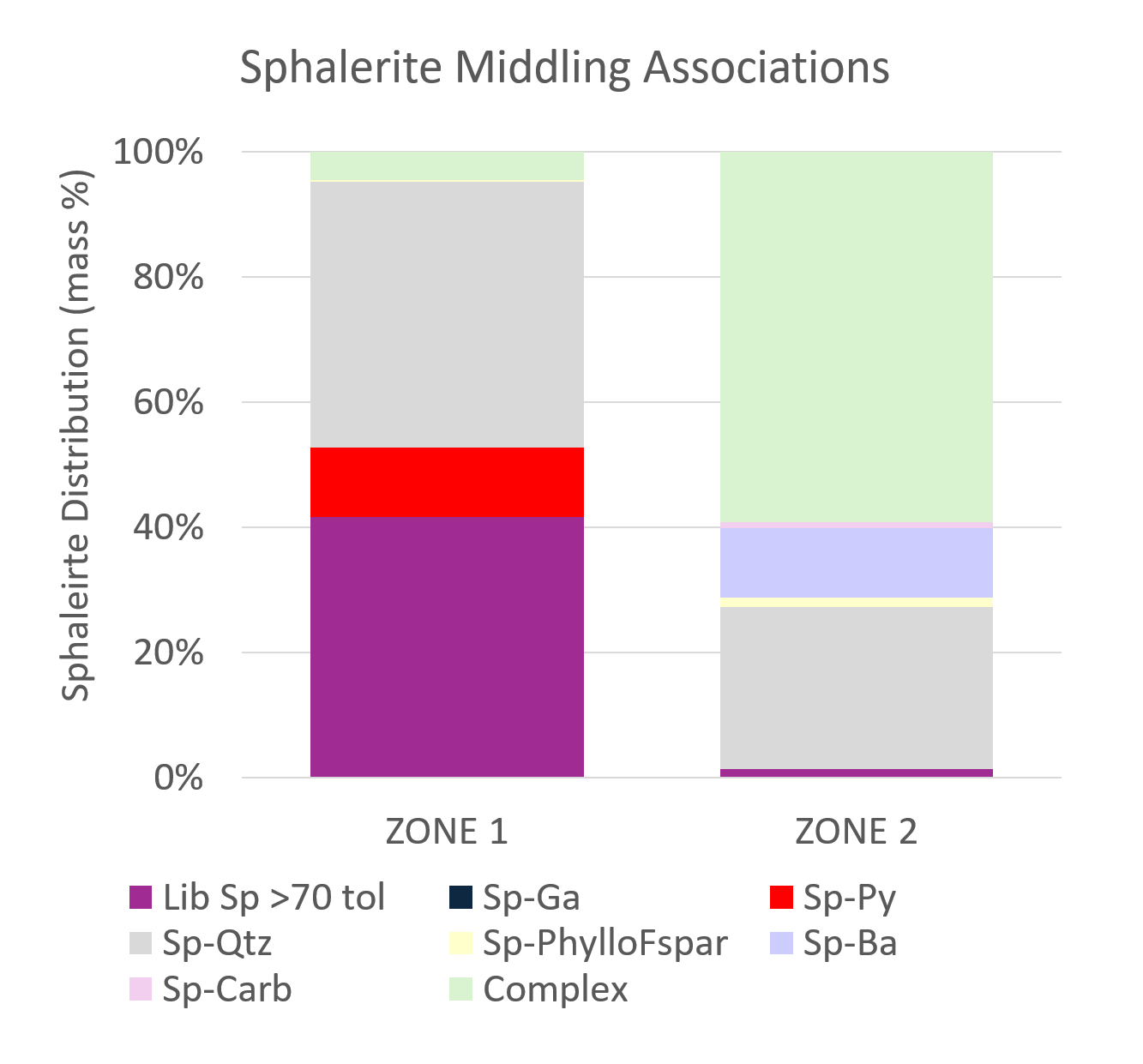
Grain size, liberation and mineral associations can be determined from crushed core samples obtained at all targeted zones. TIMA categorizers automatically produce middling groupings with the defined particle properties. With this data, metallurgists can make qualified decisions about extractive processes.

03
Results and Discussion

TIMA Ore Textural Analysis Informs Decisions at Multiple Project Stages

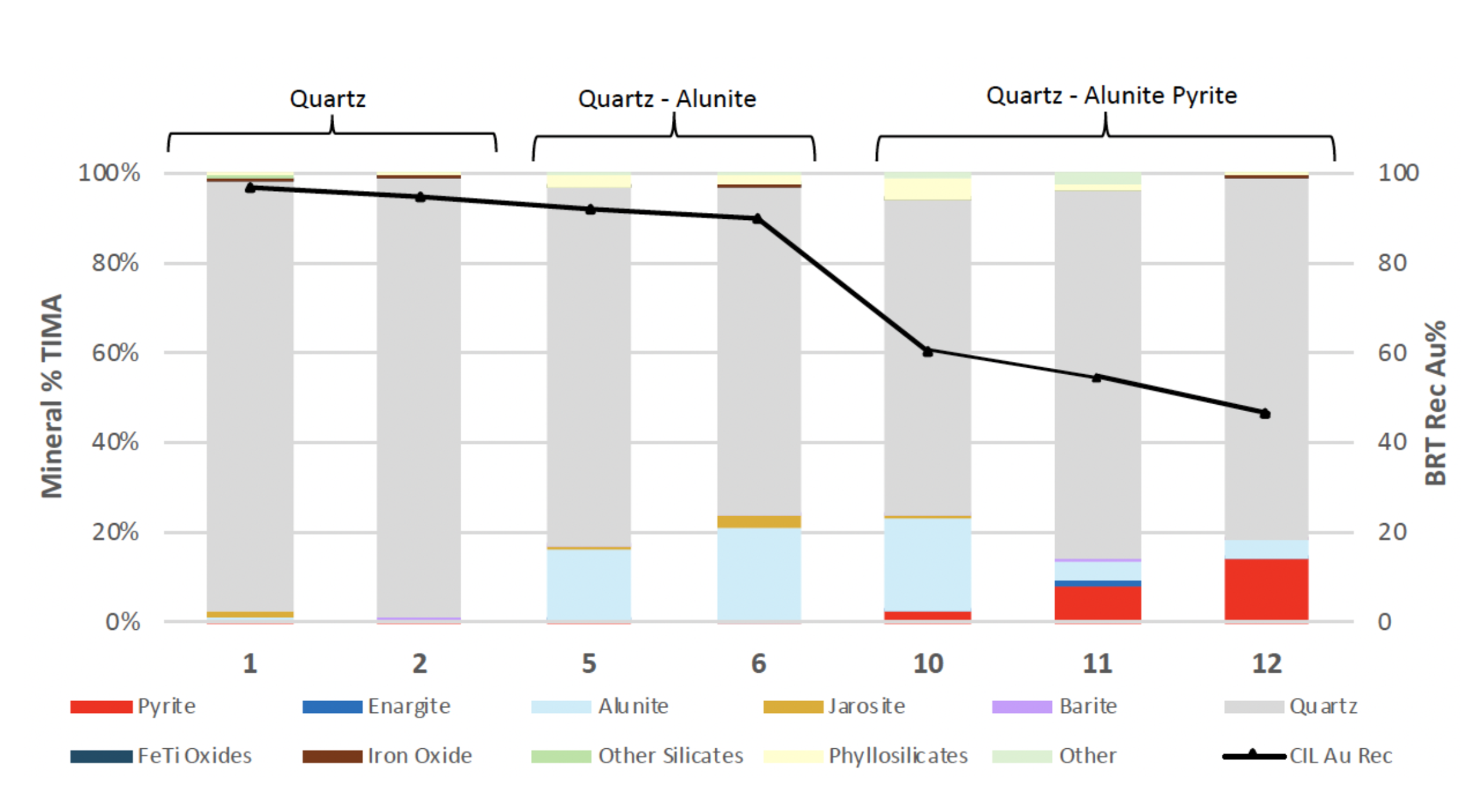
Geometallurgical programs are data-driven, relying on accurate sample testing and quantification of grain size and mineral associations to create predictive models for mineral processing.

Tescan TIMA textural analysis can be employed at multiple stages of mineral processing to provide critical insights to ore characteristics, including grain size distribution, liberation degree and spatial metallurgical variability.

Additionally, TIMA enhances overall process efficiency with the data that informs flowsheet design, supports performance predictions, and identifies the best methods for cost-effective beneficiation.

GET IN Touch

Contact us

Get the most out of Tescan

This is more than information; it's an advantage. We've compiled our technical whitepapers, detailed product flyers, and on-demand webinars to provide you with the knowledge that makes a real difference. Sign up now to access the insights you need to make an impact.

Tescan Instruments & Technology

Used in This Workflow

Tescan TIMA™ Mineral Analyzer

TESCAN TIMA™ delivers particle-by-particle characterization of mineral composition, texture, and liberation in ores and concentrates, to support geometallurgy, process control, and recovery analysis.

  • Gain accurate understanding of mineral liberation to improve processing strategies

  • Analyze and categorize ore particles to optimize beneficiation and enhance recovery rates

  • Identify phases, quickly and with high resolution, even for trace phases, chemically similar minerals, and low concentration minerals
GET IN Touch

Contact us

map

Where can you find us:

Tescan Brno
Libušina třída 21
623 00 Brno
Czech Republic

info@Tescan.com