

WEBINAR | Up to 40% Faster Automated TEM Lamella Preparation with new Ga⁺ FIB Column

Gain Insight into Human Oocyte Surface Morphology with Tescan CLARA SEM

Analyze human oocyte surface morphology and sperm interaction in ultrastructural detail using SEM imaging.

hero
hero
Unlocked content

Advancing Reproductive Research Through High-Resolution SEM Imaging

Understanding the ultrastructure of human oocytes is critical for advancing assisted reproductive technologies, yet this remains a challenge due to their fragile nature and complex surface topography. A critical step in fertilization is the interaction of sperm with the zona pellucida (the glycoprotein layer that surrounds the oocyte). This process involves intricate sperm–oocyte surface interactions that are difficult to capture in detail using conventional light microscopy.

Advanced imaging methods are therefore essential. Tescan scanning electron microscopes (SEMs) provide ultra-high resolution imaging of surface morphology and interactions such as sperm attachment, delivering insights that go beyond the limits of light microscopy. These capabilities support both fundamental research and the development of clinical applications in reproductive medicine.

Why Study Human Oocyte Surface Morphology

with TESCAN CLARA SEM?

01
Root of the Problem

Studying the surface morphology of human oocytes is essential for understanding the process of fertilization. However, light microscopy imaging techniques lack the resolution and contrast required for detailed oocyte surface analysis.

Due to complex topography , dedicated DEPTH mode was used to capture fine structural details of the egg-sperm interaction to completely visualize all details with high depth of focus.

Using both in-chamber and in-beam secondary electron (SE) detectors provided a complementary imaging advantage that is especially important for delicate, complex samples like human oocytes.

Visualize oocyte surface morphology and gamete interaction with clarity and structural integrity using Tescan SEM Systems.

02
Materials and Methods

Visualizing Human Oocyte Surface Morphology

Spare human gametes, donated from IVF treatments, were chemically fixed and stained, dehydrated, coated with gold, and prepared for high-resolution SEM imaging.

High-resolution imaging was performed using the Tescan CLARA UHR-SEM under high vacuum conditions. Due to the topographically complex surface of oocytes, a dedicated DEPTH mode was employed to maintain sharp focus across the entire surface.

Images were captured using the In-chamber secondary electron (SE) detector, the In-beam SE detector, or a combination of both  . The in-chamber detector emphasizes overall surface topography, while the in-beam detector provides high-resolution detail at short working distances. By combining signals from both detectors, we obtained comprehensive images with high resolution and accurate contrast.

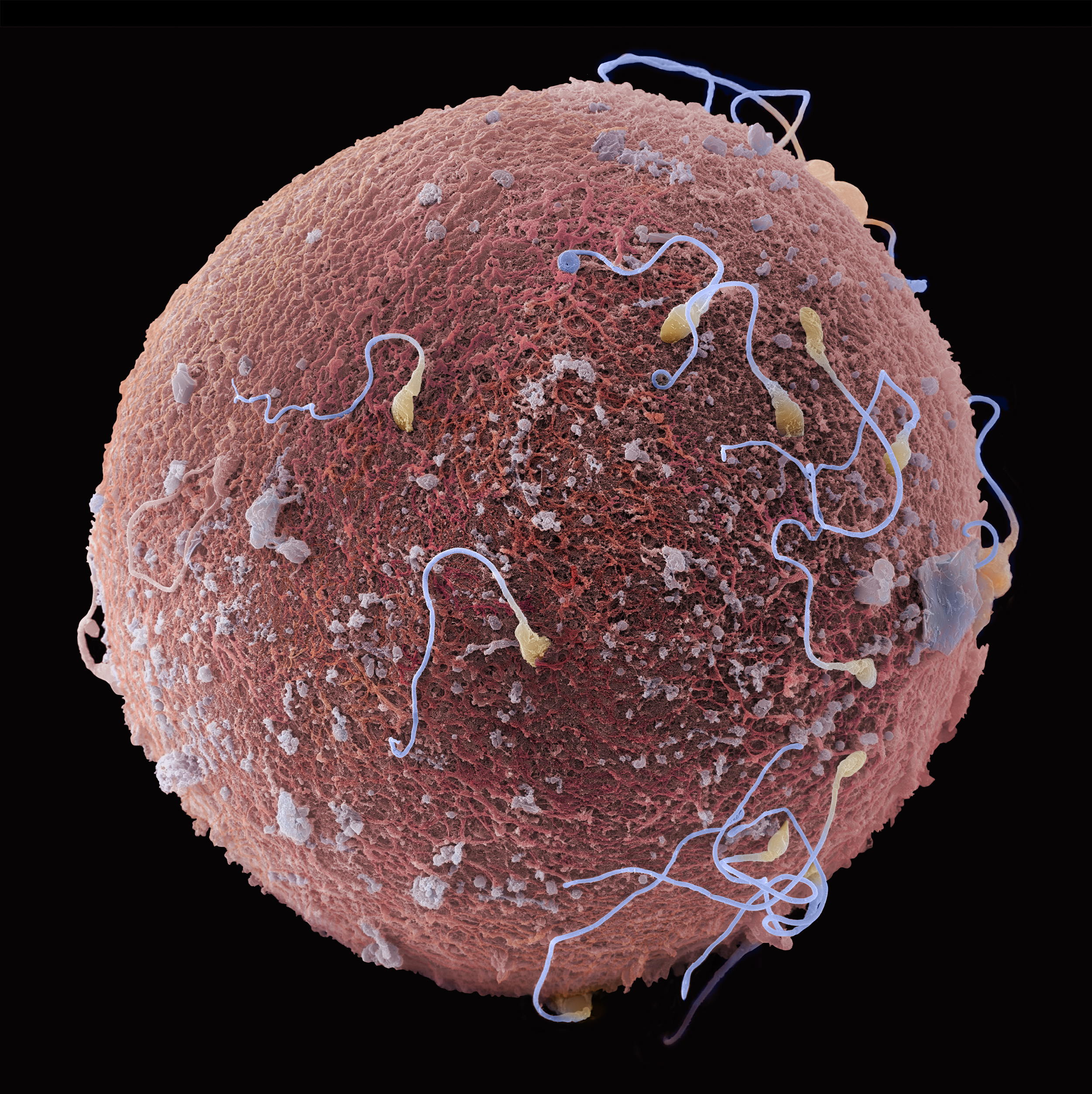
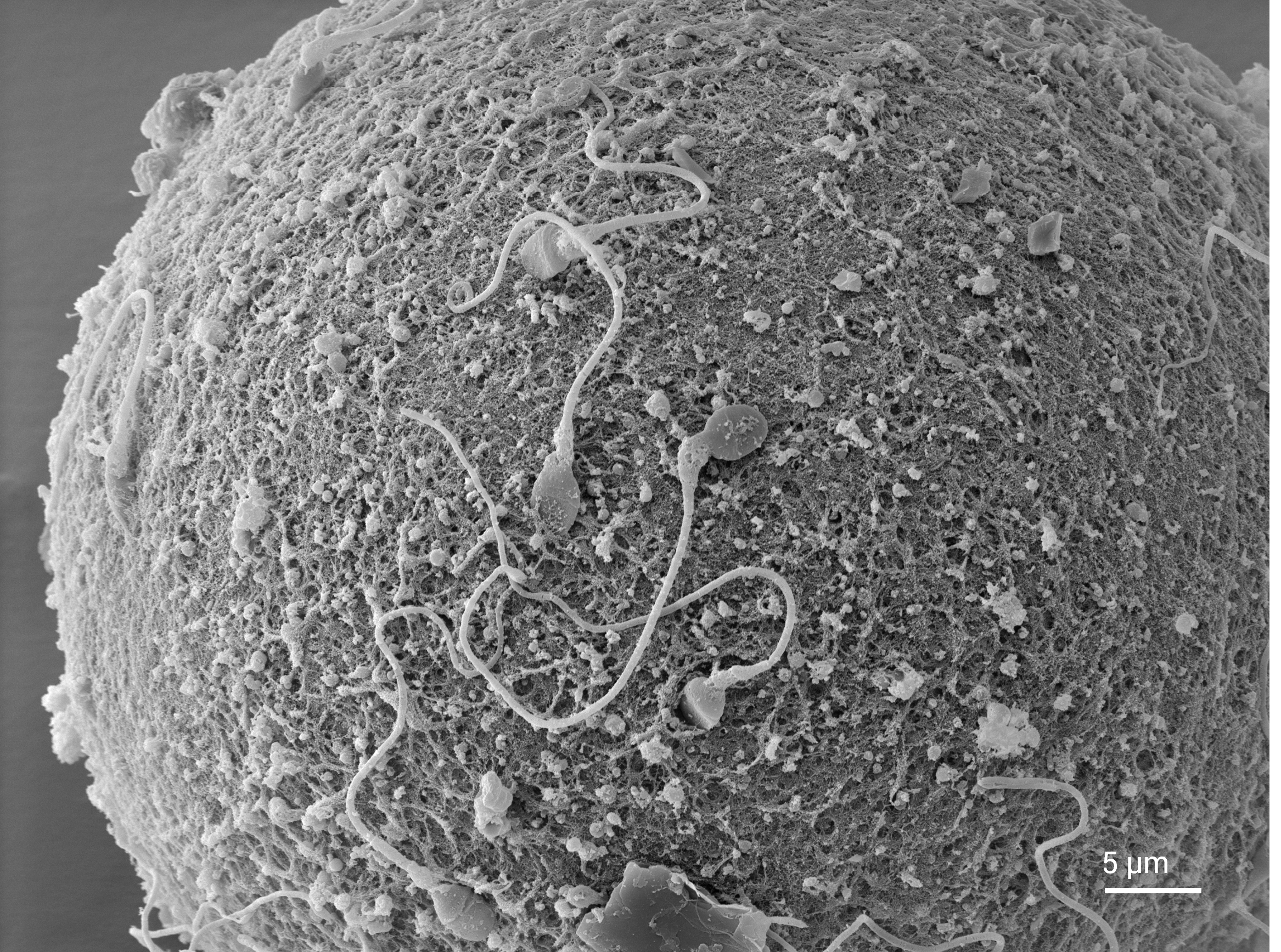
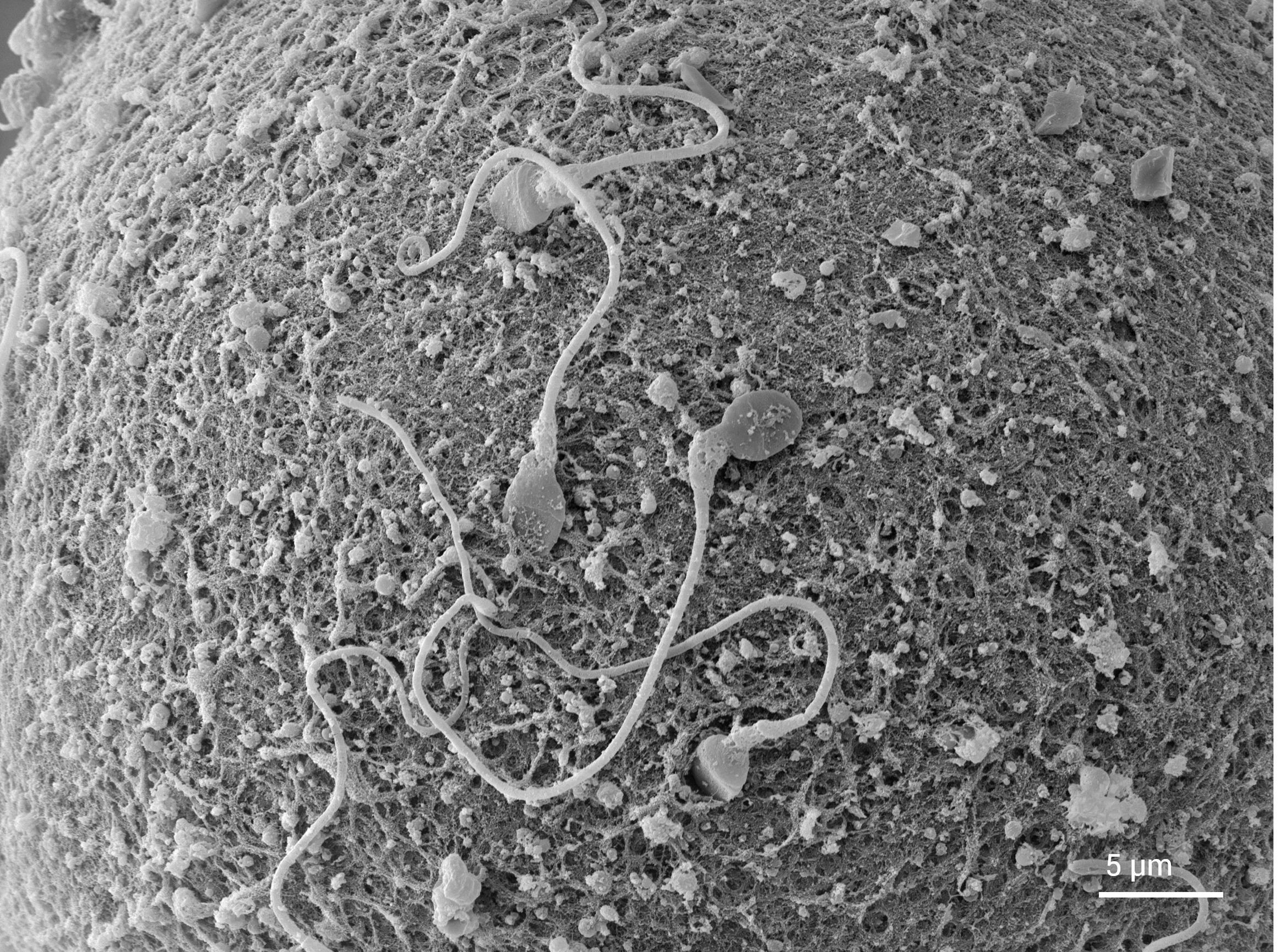
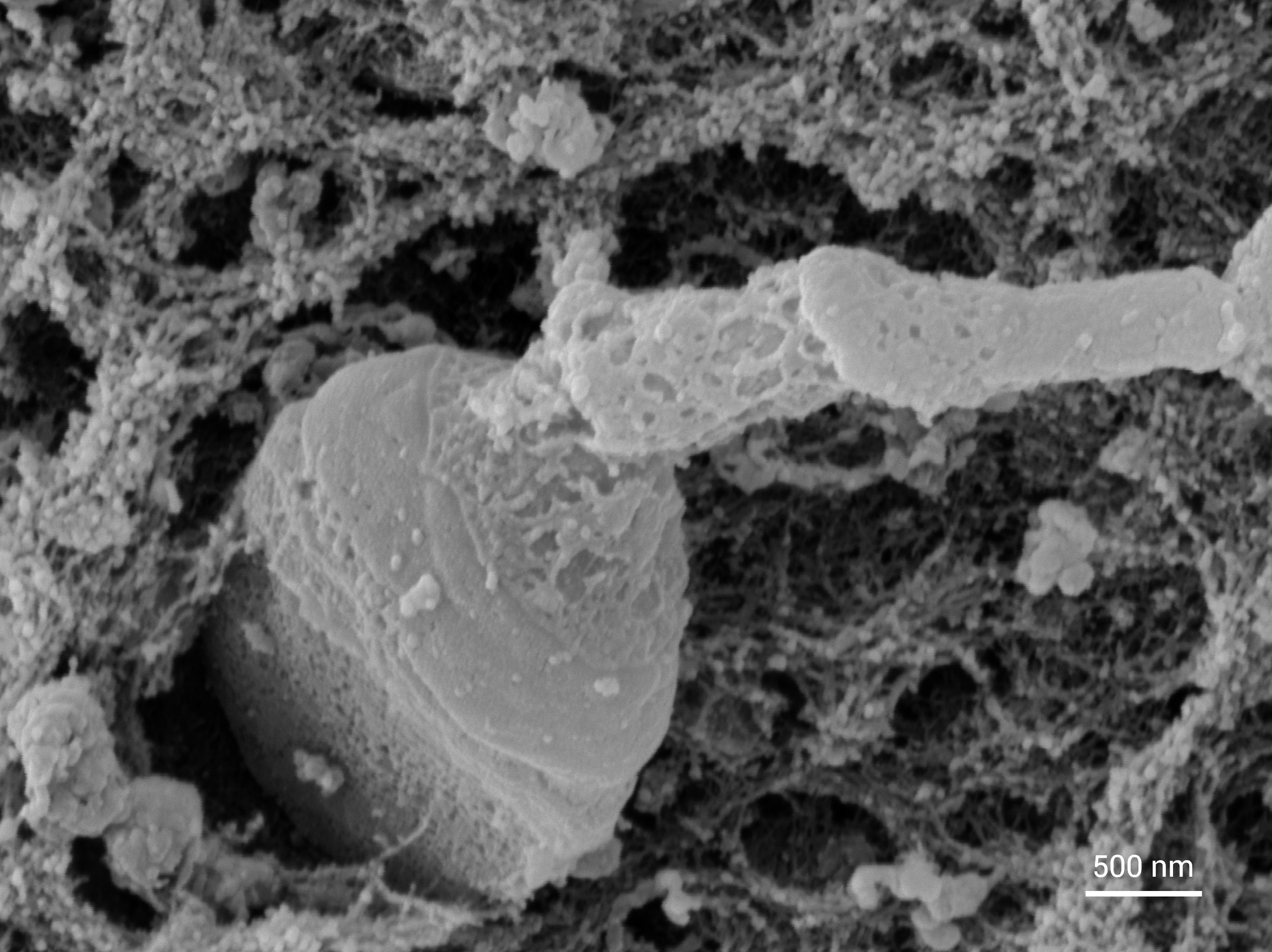
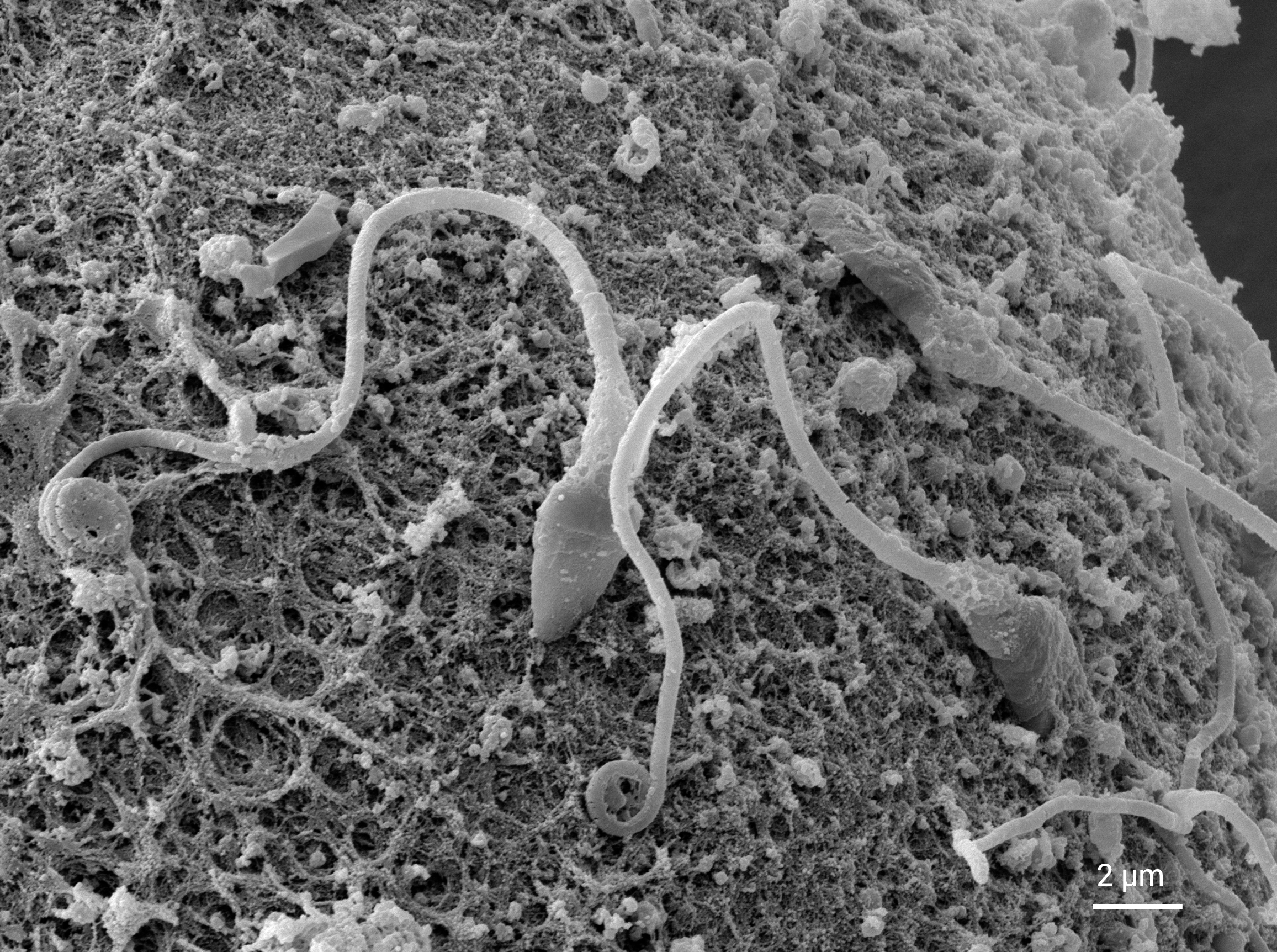
This approach enabled detailed visualization of sperm–oocyte interactions, including multiple sperm heads and acrosomal remnants, vesicle structures containing enzymes critical for oocyte penetration.

03
Results and Discussion

High-Resolution Imaging of Oocyte Surface Morphology and Sperm Interaction

Ultra-high resolution SEM revealed the complex surface of human oocytes and detailed sperm-oocyte interactions, including acrosomal remnants critical for fertilization.

Using both in-chamber and in-beam SE detectors provided simultaneous topographic context and fine structural detail, preserving delicate structures while delivering ultra-high resolution, high-contrast images.

This approach reveals ultrastructural details far beyond the reach of light microscopy, enabling detailed analysis of gamete interactions, and unlocking new potential for both basic research and reproductive medicine.

GET IN Touch

Contact us

Get the most out of Tescan

This is more than information; it's an advantage. We've compiled our technical whitepapers, detailed product flyers, and on-demand webinars to provide you with the knowledge that makes a real difference. Sign up now to access the insights you need to make an impact.

Tescan Instruments & Technology

Used in This Workflow

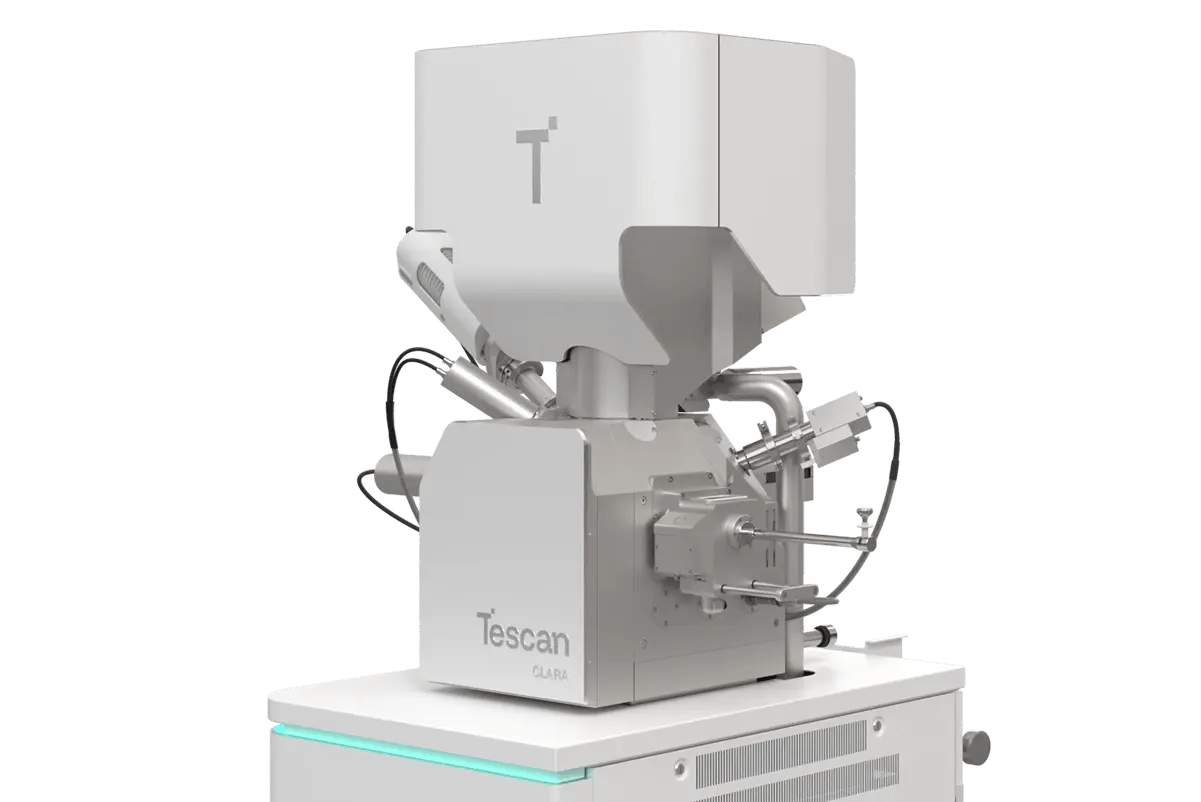
Tescan CLARA

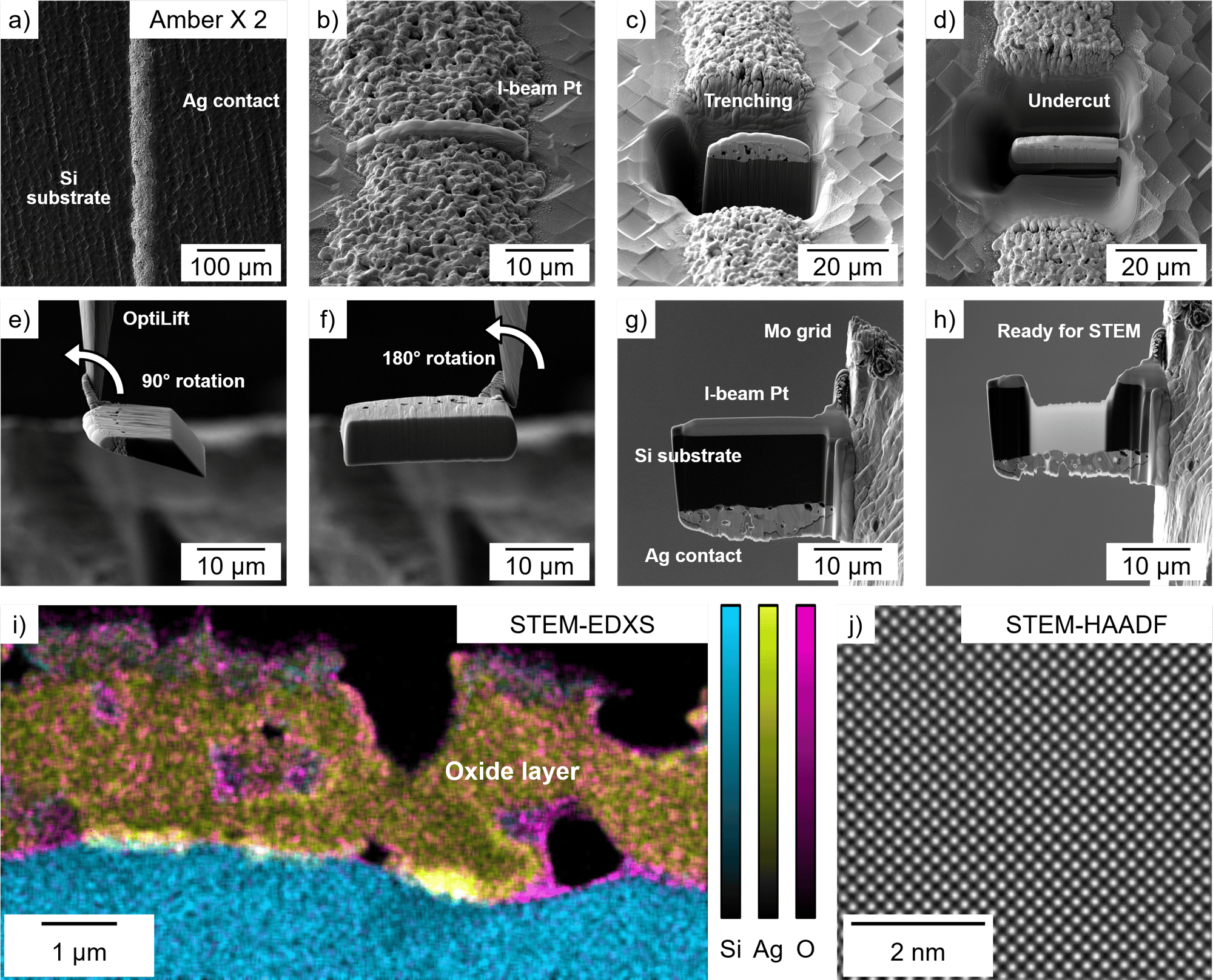
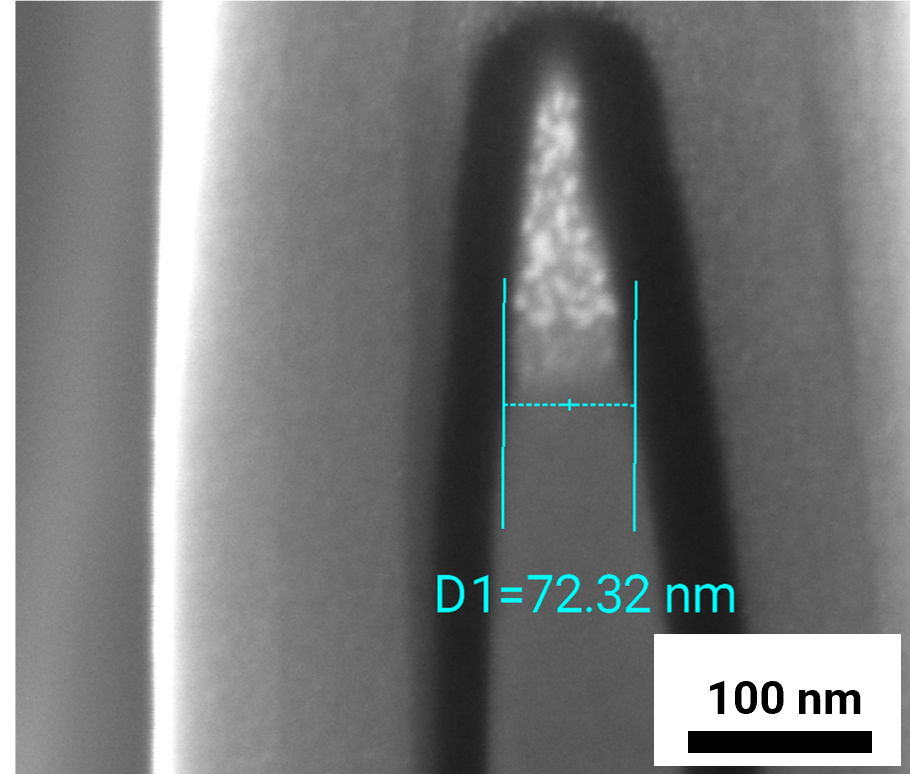
Tescan TEM AutoPrep™ provides automated lift-out, thinning, and polishing workflows for reproducible TEM lamella preparation. In this workflow, it was used to prepare site-specific silicon lamella below 50 nm with accurate [110] orientation for atomic-resolution imaging.

  • Automated lamella preparation: Reduces operator dependence and improves reproducibility

  • Site-specific lift-out: Ensures correct region and orientation are selected for TEM studies

  • Low-kV final polishing: Minimizes amorphous damage and curtaining artifacts

  • Workflow integration: Delivers TEM-ready samples directly within the FIB-SEM
CLARA GM Mat. Science

GET IN Touch

Contact us

map

Where can you find us:

Tescan Brno
Libušina třída 21
623 00 Brno
Czech Republic

info@Tescan.com