

WEBINAR | Up to 40% Faster Automated TEM Lamella Preparation with new Ga⁺ FIB Column

Multiscale Micro-CT Imaging from Core to Pore

Non-destructive reservoir characterization across all scales.

hero
hero
Unlocked content

Reservoir rocks are inherently complex, shaped by heterogeneous grain structures, intricate pore networks, and unpredictable fracture systems. TESCAN’s multiscale micro-CT imaging workflow captures this complexity by enabling non-destructive  3D imaging, from full core plugs down to sub-micron pores. This capability is crucial for optimizing oil and gas recovery, enhancing EOR strategies, and improving simulation models across diverse geological formations.

Why Multiscale Micro-CT Imaging

Makes Sense?

01
Common Challenges in High-Resolution Geological Imaging

Traditional methods for characterizing rocks often rely on destructive sectioning or offer only 2D data, making it difficult to extract accurate petrophysical or structural information. By contrast, multiscale micro-CT imaging provides a non-invasive alternative that overcomes several key limitations:

Loss of Pore Structure Resolution: Low-resolution, large scale CT scans (on medical CT systems)  often miss critical heterogeneities that influence flow and trapping.

Scale Mismatch: Large-scale CT scans don’t resolve micropores well, while high-resolution scans may lack full-sample context.

Inaccurate Porosity Estimation: Bulk porosity measurements from gravimetric methods overlook local variations and true pore geometry.

Destructive Analysis Risks: Cutting or polishing samples can alter fracture networks, induce sample disintegration, or redistribute fine materials.

Multiscale micro-CT imaging provides the spatially resolved, 3D data needed to analyze entire cores and fine pore structures with confidence.

02
Workflow Description

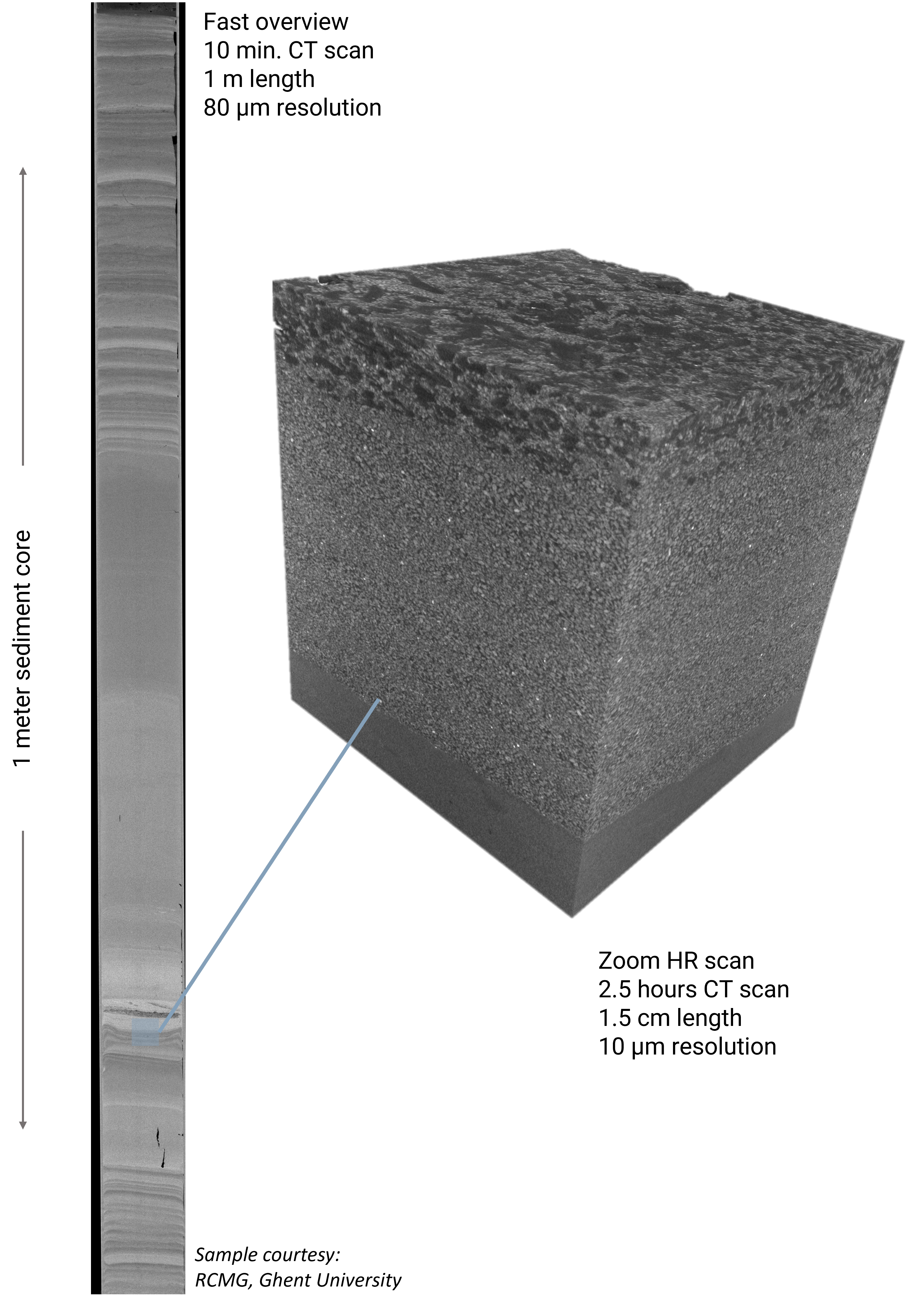
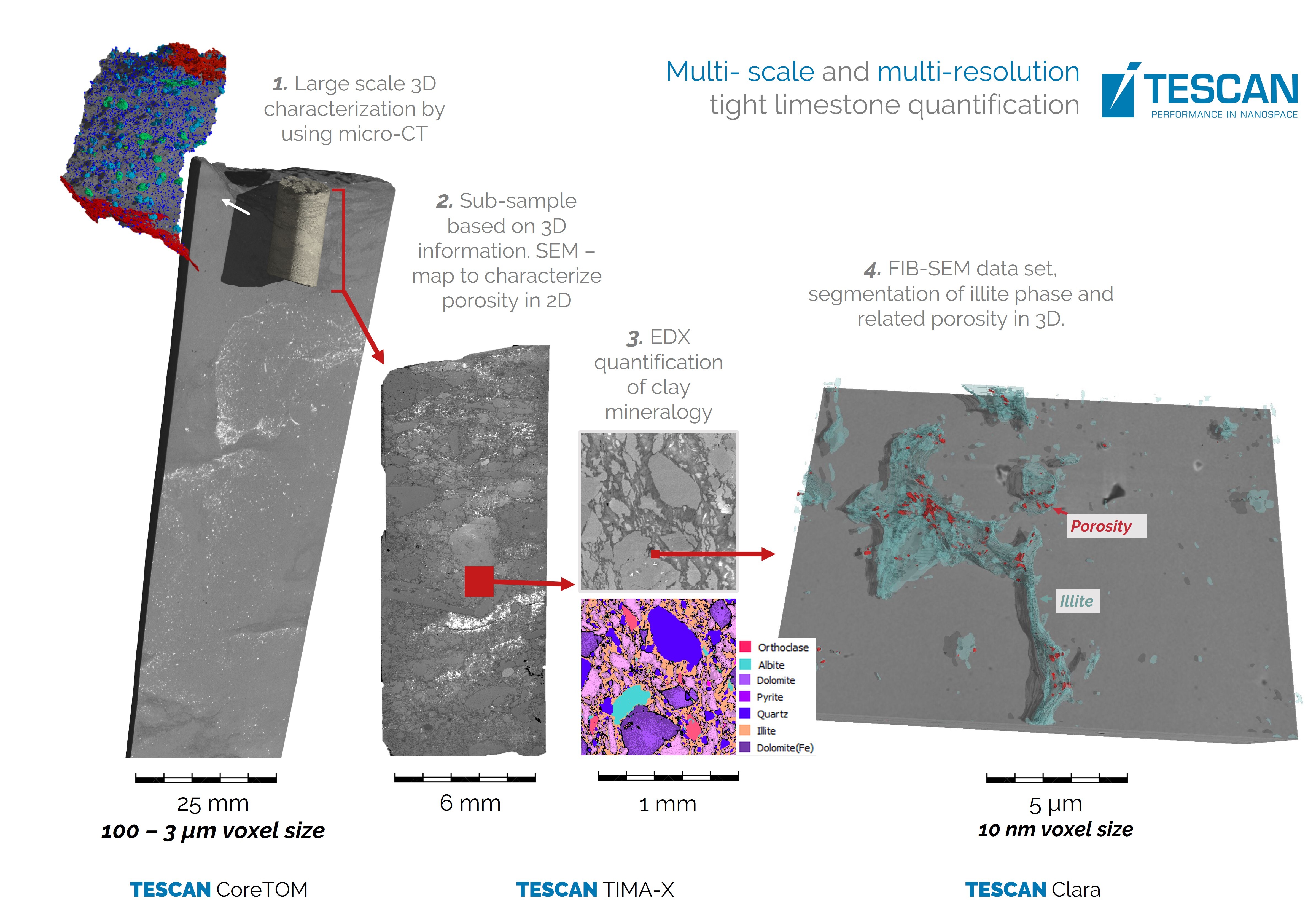
TESCAN’s multiscale imaging workflow brings together wide-field and high-resolution micro-CT scanning, to capture reservoir cores at multiple resolutions—all without cutting the sample.

 Key Steps in the Workflow:

01
Core Mounting and Preparation: Cores or plugs are scanned in their original form, with no cutting or polishing required.
02

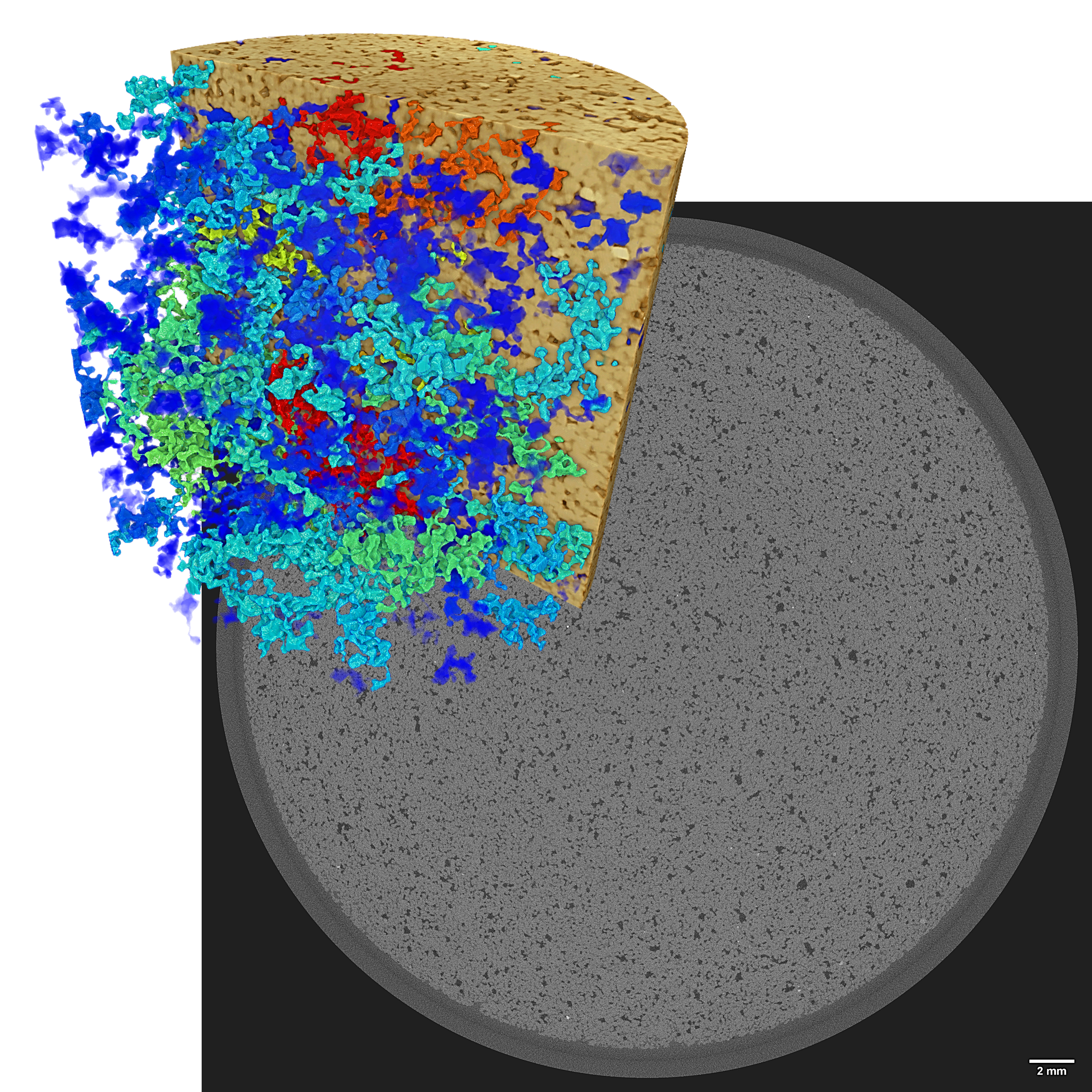
Low-Resolution Contextual Scan: Identify sedimentary structures, grain layering, and major porosity zones in large sample volumes.

03
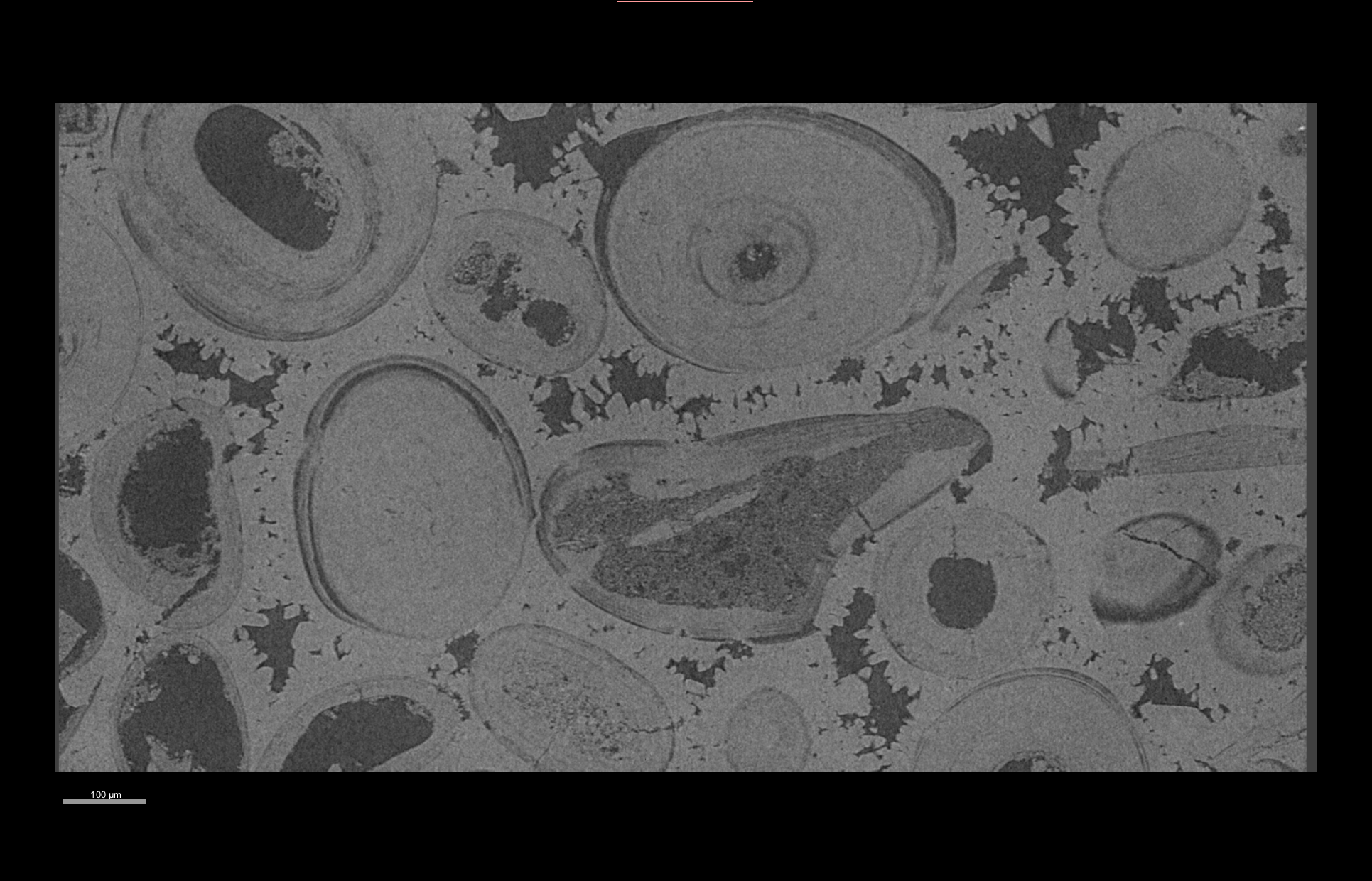
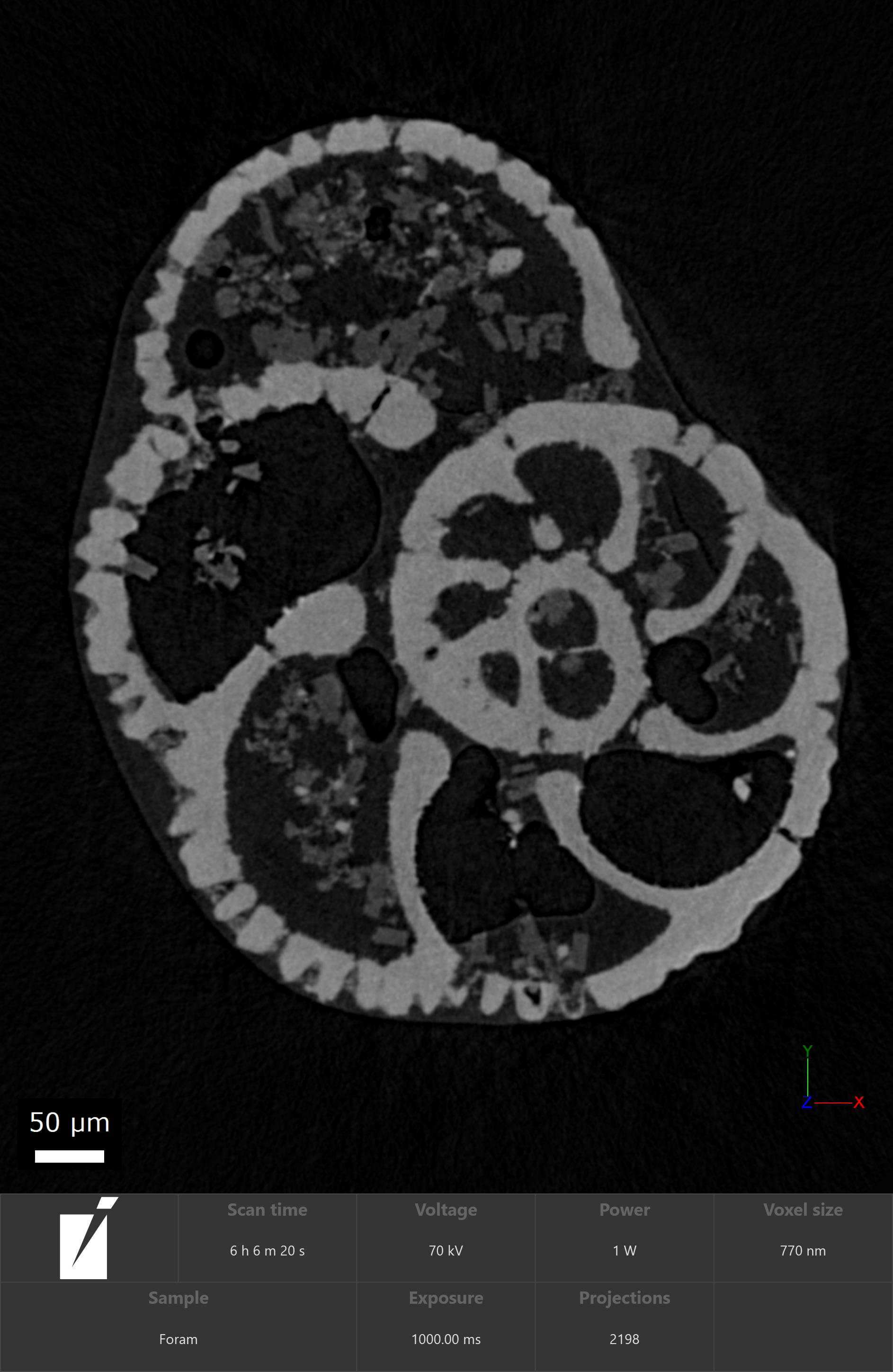
High-Resolution Zoom Scans: Focus on selected regions to capture ultra-detailed pore networks and fracture systems. Zoom even further into sub-micron features like microporosity, cementation zones, or hairline fractures.
04
Data Analysis and Property Extraction: Segment pores, measure grain morphology, calculate porosity and permeability proxies, and generate models ready for simulation.

This multiscale workflow gives reservoir engineers a robust, non-destructive way to extract high-quality data for EOR planning and digital rock physics.

03
Method in Focus

Multiscale Imaging Across Core Dimensions

Wide-field Micro-CT imaging reaches spatial resolutions down to a few micrometers, while high-resolution Micro-CT pushes that boundary further into the sub-micron range.

  • Core-to-Pore Connectivity: Study the links between large-scale geological features and pore-scale transport processes.

  • Fracture Flow Characterization: Analyze how fluids move between fractures and surrounding matrix materials at multiple scales.

  • Porosity and Capillary Pressure Calculations: Use grayscale segmentation to determine pore volume and simulate fluid behavior through the rock.

  • Integration into Reservoir Simulation: Feed these datasets into relative permeability models, saturation curves, and digital rock typing workflows.

By aligning data across scales, engineers gain a more complete understanding of reservoir behavior under real-world flow conditions.

04
Use Case in Geoscience

Reservoir Characterization

Visualize lithological variation, sedimentary layering, and pore morphology across entire core plugs. High-resolution images support accurate digital rock typing, especially in light oil reserves.

Pore Network Modeling

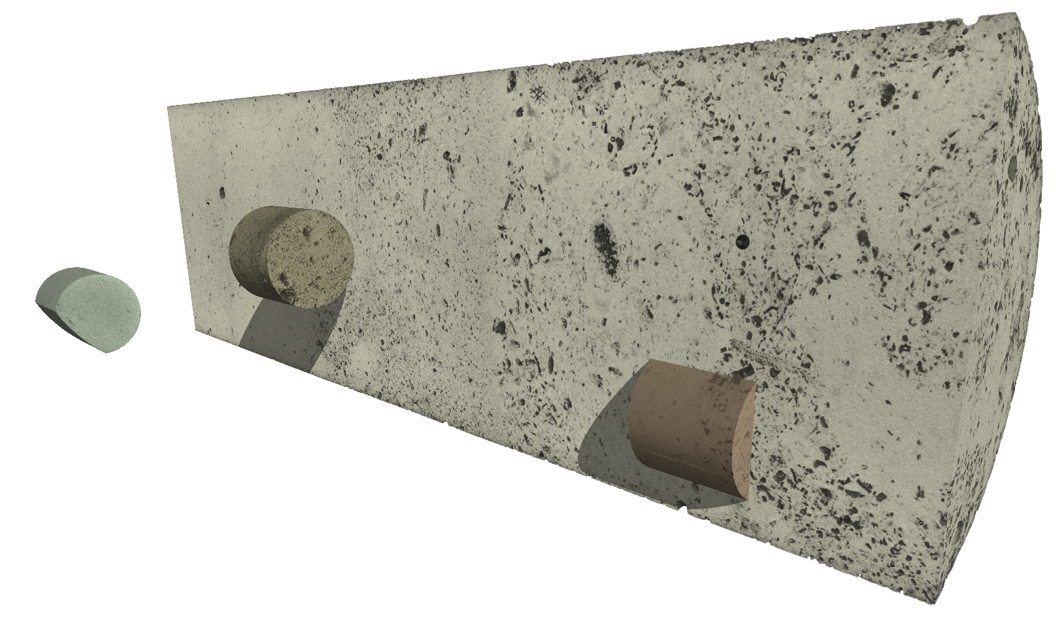
Extract 3D pore structures at micron resolution from core fragments or drill cuttings. Create models that retain key flow characteristics for realistic simulations.

Enhanced Oil Recovery (EOR)

Monitor chemical movement and oil displacement during flooding experiments. See how surfactants or polymers affect residual oil and flow paths.

Fracture Mapping

Measure fracture aperture, density, and connectivity to evaluate flow potential in tight or naturally fractured reservoirs.

Core Integrity Assessment

Examine the internal structure of cores non-destructively, preserving them for physical testing or long-term archiving.

These use cases show how multiscale micro-CT imaging delivers vital insights into pore structure, petrophysical behavior, and subsurface fluid dynamics.

GET IN Touch

Contact us

Get the most out of Tescan

This is more than information; it's an advantage. We've compiled our technical whitepapers, detailed product flyers, and on-demand webinars to provide you with the knowledge that makes a real difference. Sign up now to access the insights you need to make an impact.

Tescan Instruments & Technology

Used in This Workflow

TESCAN UniTOM XL

Large-volume dynamic imaging for reservoir core samples

TESCAN UniTOM XL provides high-throughput, non-destructive imaging of full core plugs and large fragments.

  • High-speed scanning with customizable field of view

  • Ideal for visualizing pores and fractures across entire samples

  • Supports integrated multiscale workflows
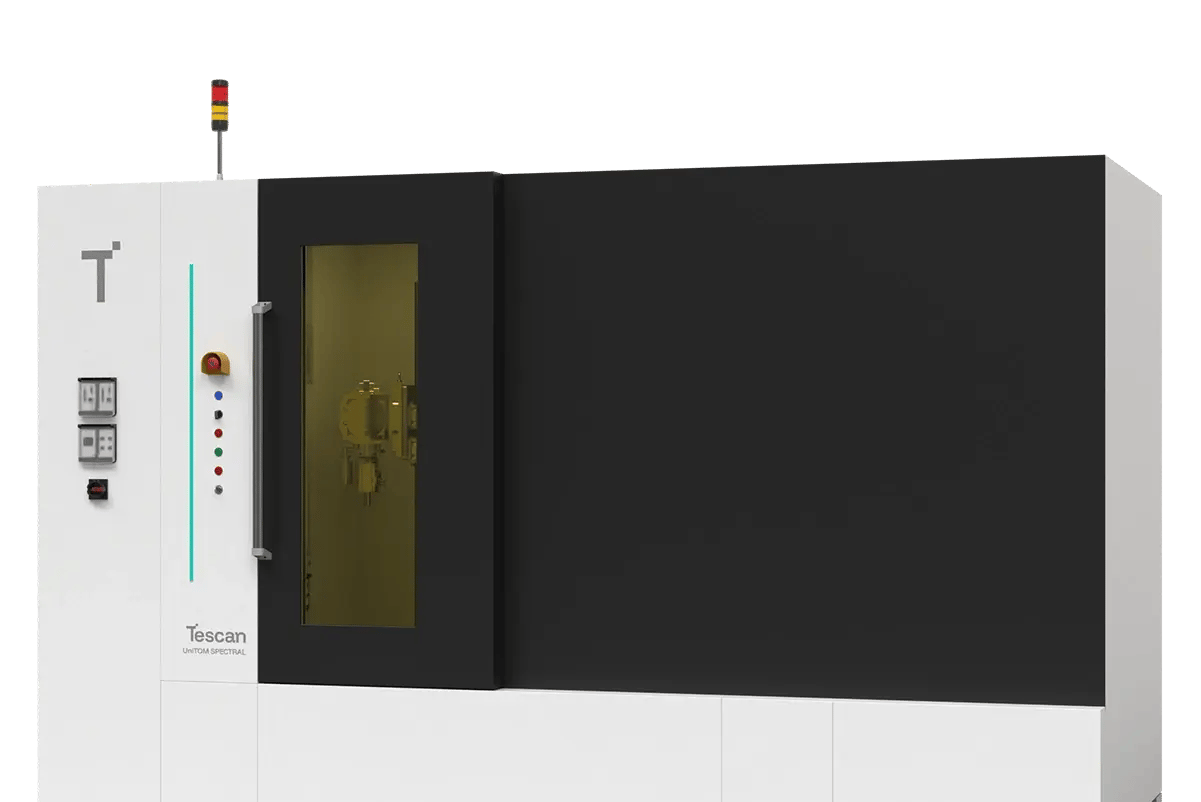
MICRO_UniTOM_XL_1-2

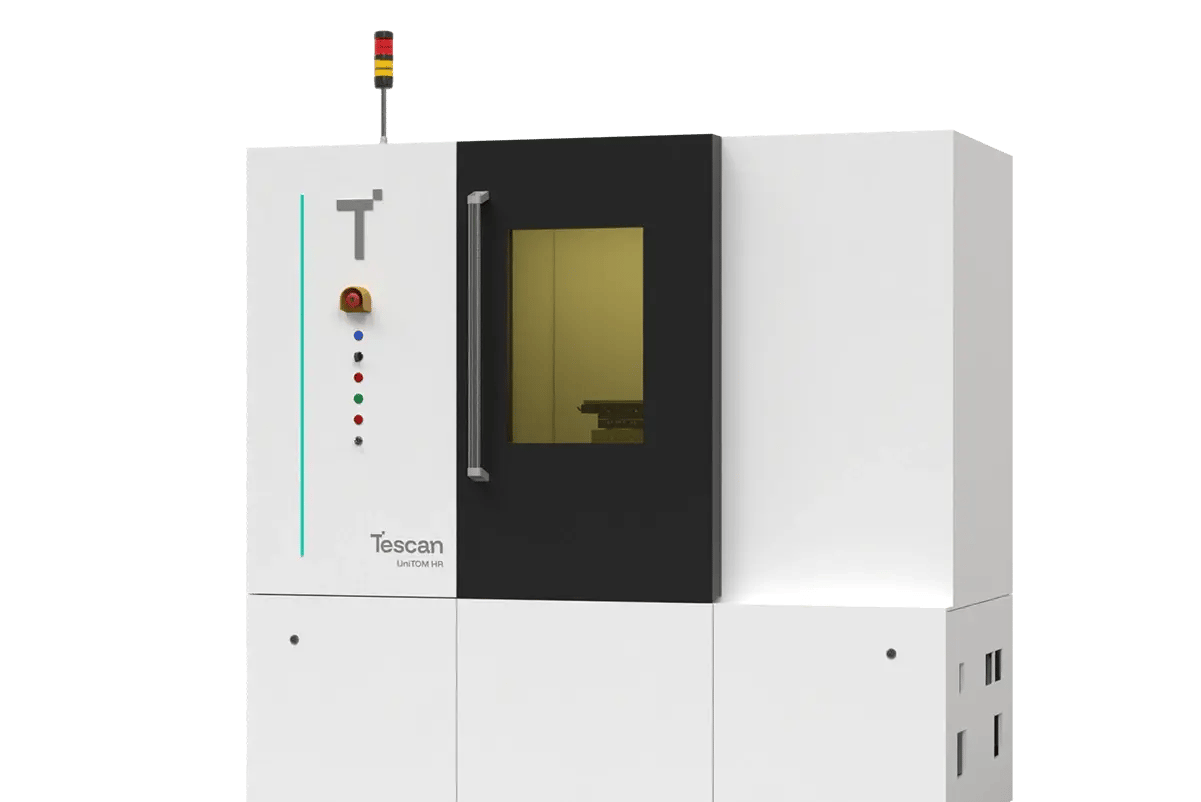
TESCAN UniTOM HR

High-resolution micro-CT for sub-micron pore analysis

Designed for pore-level exploration, UniTOM HR delivers detailed views of tight formations and microstructures.

  • Sub-micron voxel resolution

  • Enables accurate pore network extraction and segmentation

  • Well suited for digital rock typing and fine-scale modeling

MICRO_UniTOM_HR_1-2

GET IN Touch

Contact us

map

Where can you find us:

Tescan Brno
Libušina třída 21
623 00 Brno
Czech Republic

info@Tescan.com