

WEBINAR | Up to 40% Faster Automated TEM Lamella Preparation with new Ga⁺ FIB Column

Visualizing Fluid Flow in Reservoir Rocks with Dynamic Micro-CT

Real-time, multiscale imaging for oil recovery, CO₂ storage, and subsurface flow research.

hero
hero
Unlocked content
Understanding how fluids move through porous media is essential for oil and gas recovery, reservoir modeling, and energy transition strategies. TESCAN’s dynamic micro-CT workflow enables non-destructive, real-time imaging of pore-scale flow in core samples, revealing how oil, water, CO₂, or hydrogen behave inside rock formations under realistic conditions. Combined with multiscale imaging capabilities, this workflow connects core-scale structure with microscopic transport phenomena.

Why Visualize Fluid Flow in Reservoir Rocks

with Dynamic Micro-CT?

01
Common Challenges in High-Resolution Geological Imaging

Fluid flow through reservoir rocks is shaped by the complex dynamics of pore geometry, connectivity, mineral composition, and fluid interactions. Traditional methods often fail to capture these processes.

  • Lack of Temporal Insight: Static imaging cannot show how fluids move, displace, or become trapped over time.

  • Scale Disconnect: Fine pore-scale behavior often doesn’t translate well to core-scale predictions.

  • Incomplete Porosity Characterization: Average metrics miss key aspects like true pore connectivity or actual fluid pathways in heterogeneous materials.

  • Undetected Trapping Mechanisms: Without 4D data, phenomena such as residual saturation, fingering, and capillary trapping remain hidden.

To support better energy resource management, researchers need real-time, multiscale visualization — something dynamic micro-CT is uniquely equipped to deliver.

Capture Unsteady-State Flow in Real Time

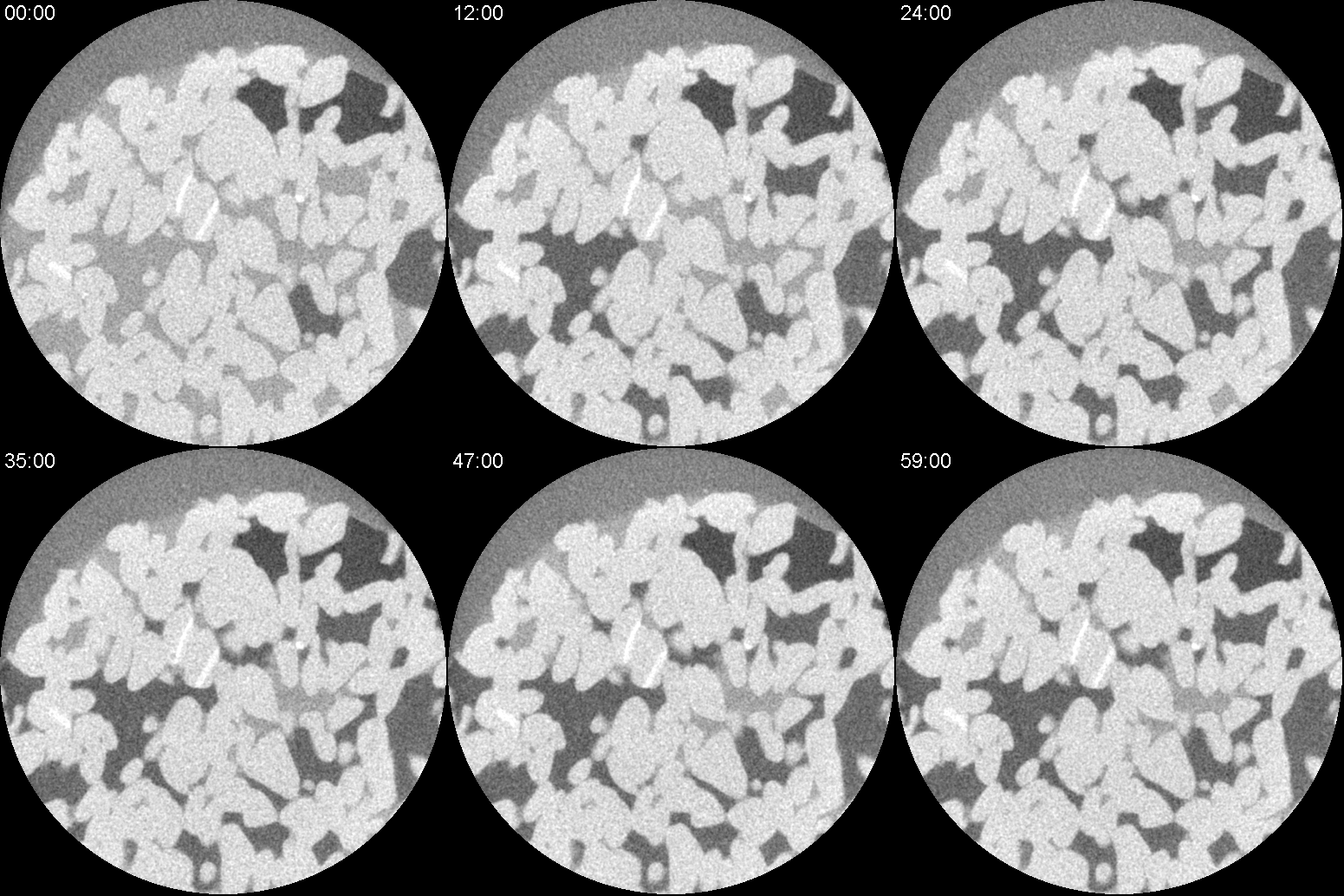
Track how fluids move through rock pores during injection and displacement, ideal for oil recovery and gas storage studies.

Understand Heterogeneous Rock Behavior Across Scales

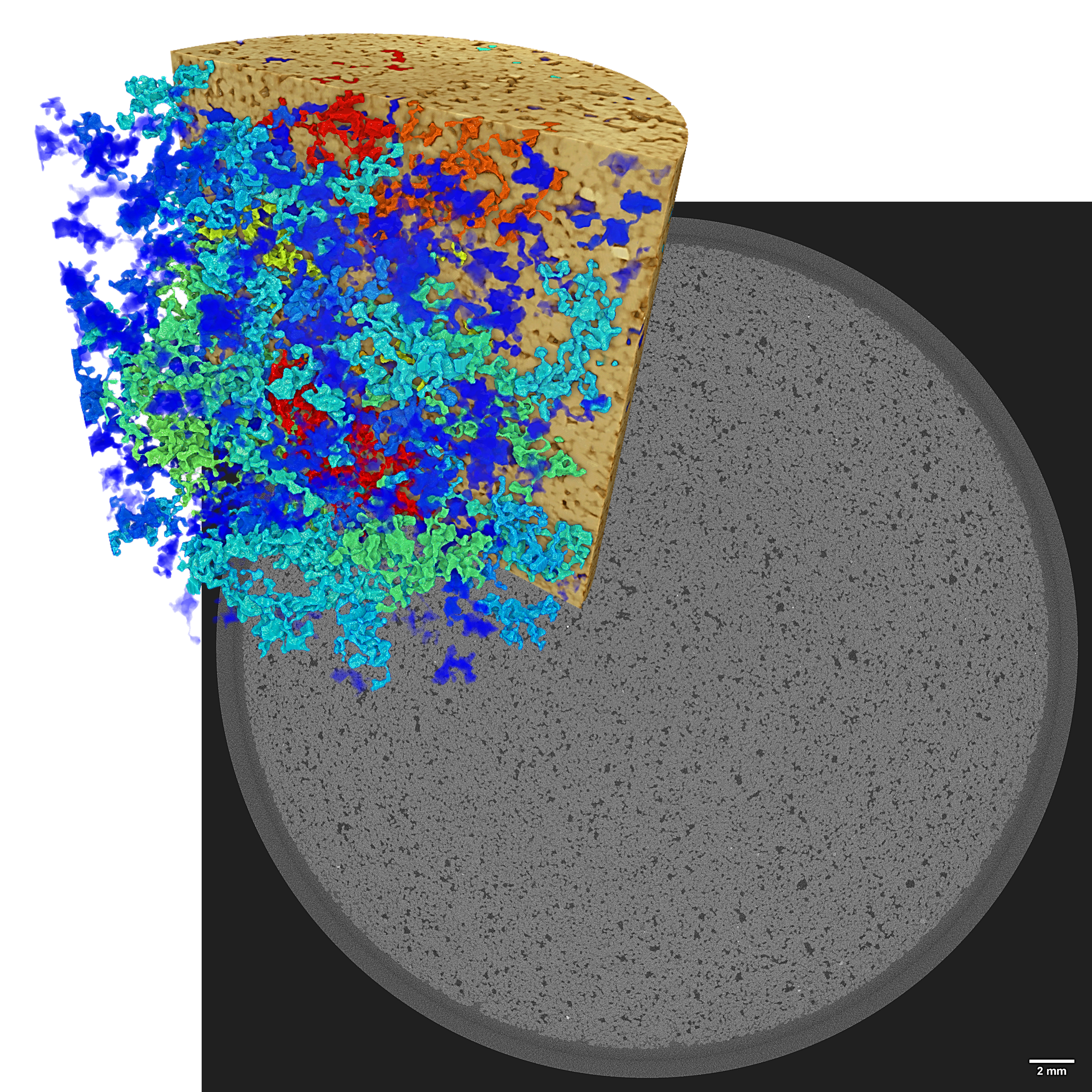
Visualize pore networks, grain structures, and fracture interactions from the millimeter to micrometer range.

Link Core Experiments to Reservoir Models

Extract pore network properties and fluid transport metrics directly from 3D rock volumes to support predictive simulations.

Observe Complex Recovery and Trapping Mechanisms

See how residual oil, CO₂, or hydrogen is retained or redistributed under dynamic, realistic conditions.

02
Workflow Description

TESCAN’s micro-CT workflow for dynamic pore-scale fluid analysis enables in-situ, non-destructive 4D imaging of rock samples under controlled flow conditions.

Typical Workflow Steps: 

01

Sample Preparation and Mounting: Core plugs are mounted in X-ray transparent core holders


02
In-Situ Flow Setup: Fluids like oil, brine, CO₂, H₂, or surfactants are injected under pressure and temperature conditions that simulate subsurface environments.


03

Dynamic CT Scanning: Full 3D volumes are captured continuously as fluid injection and displacement take place.

04

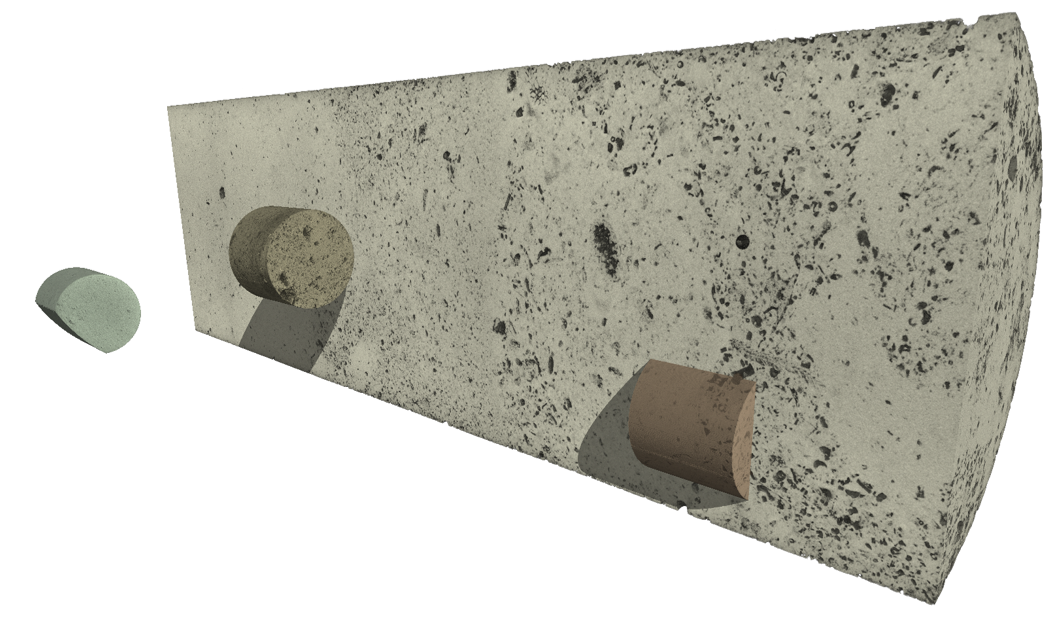
Multiscale Data Acquisition: Lower resolutions provide full-core context, while high-resolution scans zoom into pore-scale behavior.

Software tools facilitate visualization of large 4D datasets, isolate key time steps, and clearly highlight flow dynamics.

03
Method in Focus

Dynamic and Multiscale Micro-CT

TESCAN’s micro-CT systems go beyond static imaging, allowing researchers to observe dynamic fluid behavior at the pore scale:

  • Dynamic micro-CT Imaging (4D): Monitor real-time displacement of fluids like water, CO₂, or oil under realistic injection scenarios.

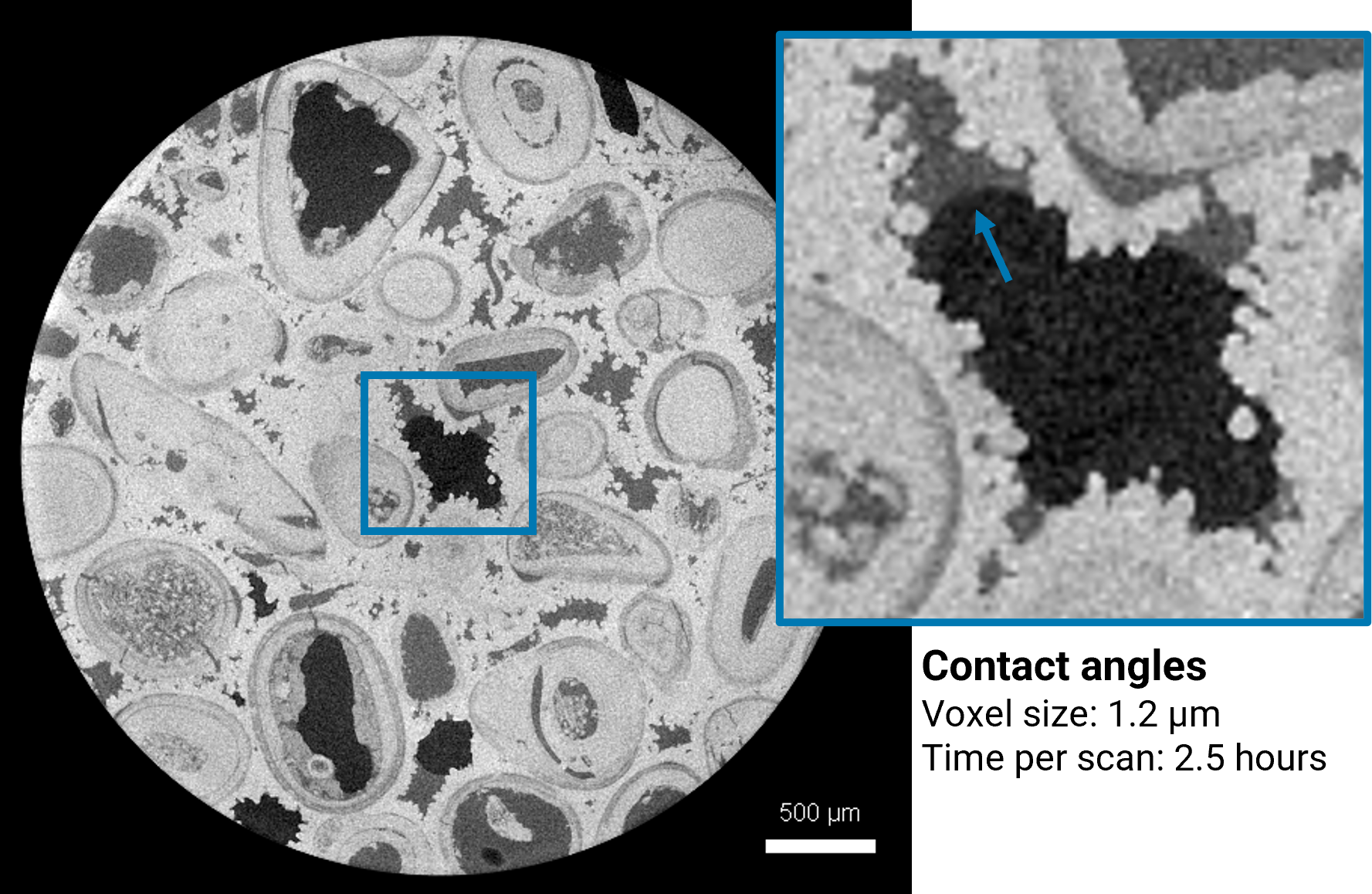
  • High Spatial Resolution: Visualize pore throats, grain contacts, and microfractures with sub-micron voxel sizes.

  • Multiscale Integration: Combine full-core scans with ultra-detailed imaging of selected regions for a complete reservoir picture.

  • Data-Driven Property Modeling: Supports the extraction of relative permeability, capillary pressure, and saturation profiles from actual rock volumes.

This approach bridges experimental research with digital rock physics and reservoir simulation workflows.

04
Use Cases in Geoscience

Enhanced Oil Recovery (EOR)

Monitor core flooding experiments with CO₂, foam, or polymers in real time. Visualize displacement fronts, track saturation changes, and understand residual oil trapping. Multiscale imaging helps link pore-level events to overall recovery efficiency.

CO and Hydrogen Storage

Observe gas movement and capillary trapping during subsurface injection. Monitor hydrogen displacement in porous media and identify potential leakage or entrapment zones.

Pore Network and Fracture Modeling

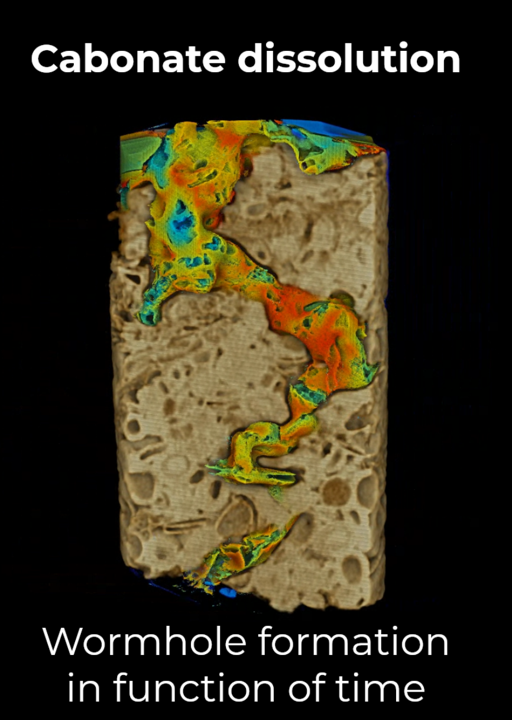
Create pore-scale maps to model permeability. Capture fracture geometry and matrix-fracture interactions in both tight and fractured reservoirs.

Pollutant Transport and Environmental Studies

Follow chemical movement in contaminated cores to model pollutant dispersion or evaluate cleanup strategies in subsurface remediation.

GET IN Touch

Contact us

Get the most out of Tescan

This is more than information; it's an advantage. We've compiled our technical whitepapers, detailed product flyers, and on-demand webinars to provide you with the knowledge that makes a real difference. Sign up now to access the insights you need to make an impact.

Tescan Instruments & Technology

Used in This Workflow

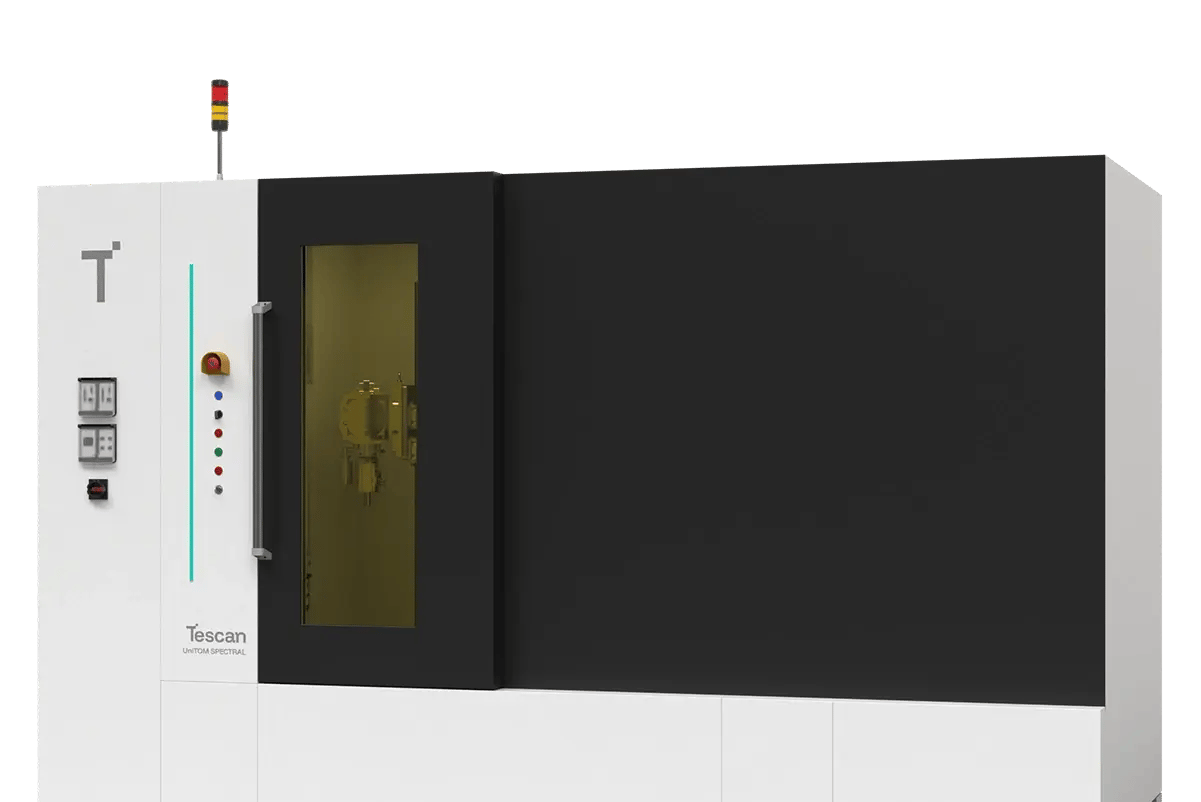
TESCAN UniTOM XL

Large-volume dynamic imaging for reservoir core samples

TESCAN UniTOM XL enables dynamic imaging of full core plugs and fractured samples under in-situ flow conditions.

  • Real-time 4D acquisition during fluid injection

  • Flexible mounting for various rock types and geometries

  • Multiscale capability for full cores and fine details
MICRO_UniTOM_XL_1-2

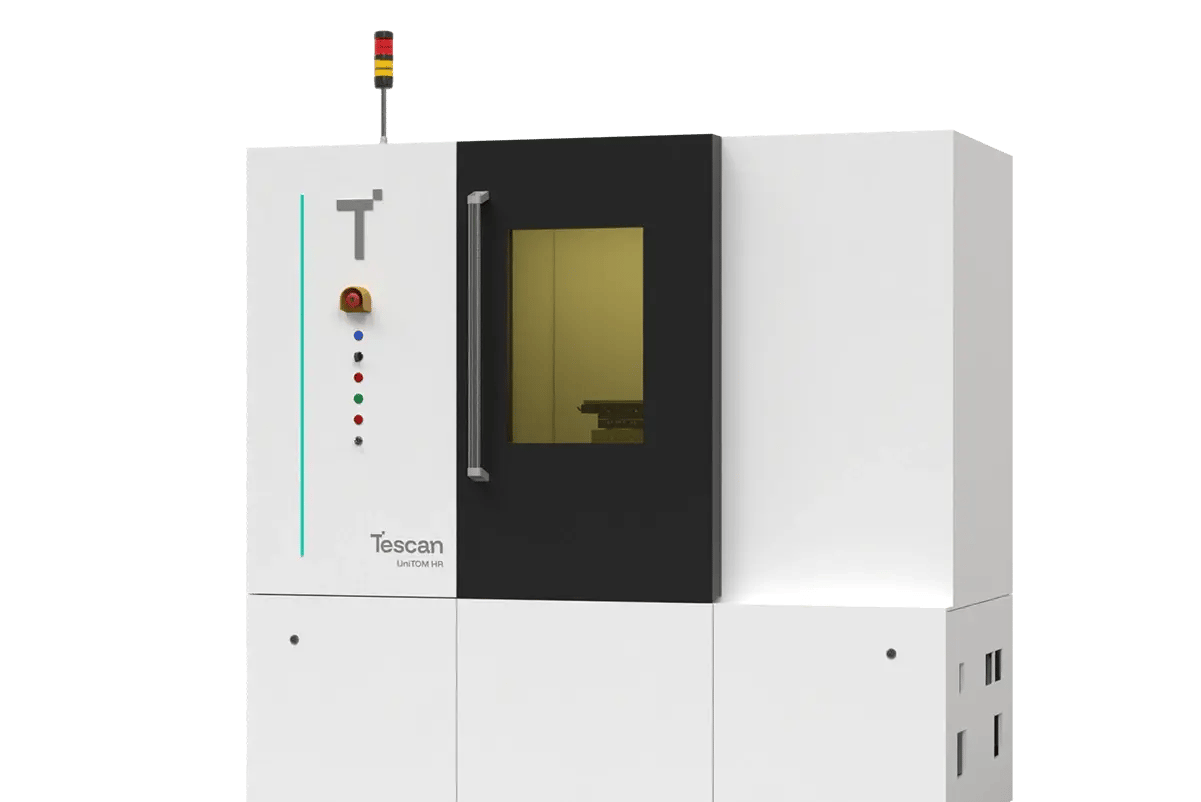
TESCAN UniTOM HR

High-resolution micro-CT for pore-scale flow and rock characterization

Built for submicron imaging, UniTOM HR reveals fine pore networks and mineral structures in tight formations.

  • Ultra-high resolution for microfossils, pore throats, and flow paths

  • Ideal for studying rock-fluid interactions in EOR and gas storage

  • Integrated workflow for pore network modeling and transport simulations

MICRO_UniTOM_HR_1-2

GET IN Touch

Contact us

map

Where can you find us:

Tescan Brno
Libušina třída 21
623 00 Brno
Czech Republic

info@Tescan.com